
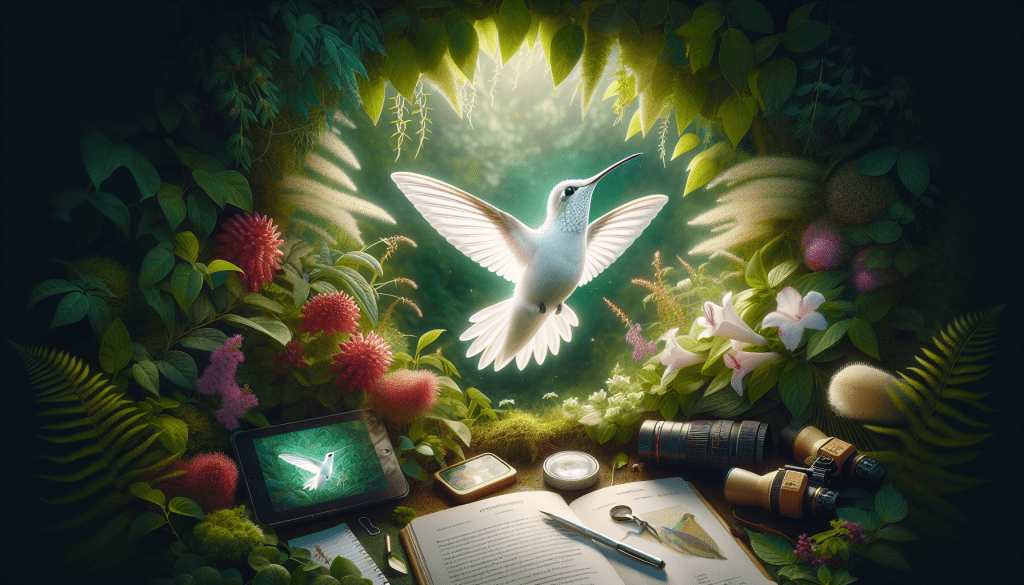
Hummingbirds are tiny creatures that bring much joy to birdwatchers and gardeners alike. With their quick fluttering wings and iridescent colors, they are a sight to behold. There’s one unique type of hummingbird that is quite uncommon – the white hummingbird. But what makes these birds so special? And more importantly, how can we do our part in ensuring that they continue to thrive?
Unmasking the wonders of white hummingbirds
White hummingbirds are a unique spectacle among their ordinary, colorfully feathered counterparts. They possess a sublime beauty, adorned in feathers that are as pure as freshly fallen snow. This unique appearance is due to a genetic condition, called leucism, which prevents color pigments from being deposited onto their feathers. Even though they may look different from the outside, rest assured, these hummingbirds are just as capable as their vividly colored cousins.
These hummingbirds are incredibly rare to spot due to their unique appearance and migratory patterns. Where do they live then, you might ask? White hummingbirds can be found in various locations around North and south America. With the migration period stretching from February to May, there might be a chance for you to encounter such bird in your neck of the woods!
Promoting a habitat for the rare white hummingbirds
Knowing about these beautiful creatures is one thing, but providing a supportive environment to help them thrive is another. Here are some tips on how you can make a difference.
Planting a hummingbird-friendly garden
Planting a garden that caters to hummingbirds’ needs is a sure-fire way to attract these special birds. Plants that provide nectar and draw insects are what they gravitate towards. Look out for shrubs, vines, trees, and flowers like bee balm, cardinal coral, columbine, and other types of tubular flowers.
Providing food and water sources
Another way of ensuring the survival of these birds is by providing them with feeders filled with a sugar syrup mixture. Also, providing a bird bath or a mister for their bathing needs would be highly appreciated by these flying whizzers.
Limiting chemical usage
White hummingbirds, like all other birds, are susceptible to the harmful effects of pesticides and other chemicals. By limiting the use of these substances in your garden, you not only create a great environment for birds but promote an eco-friendly approach to gardening.
Before we end, let’s remember that our efforts play a considerable role in conserving these beautiful creatures. It may not seem like much, but these small steps towards creating a hummingbird-friendly space could give a great push towards their survival. So let’s get gardening, and who knows, you might just spot a rare white hummingbird in your backyard!

Emma Johnson is a passionate and insightful writer specializing in the house and garden niche, bringing over a decade of experience to her readers. At the youthful age of 34, Emma has already established herself as a leading voice in home improvement, landscaping, and interior design. Her journey began with a degree in Landscape Architecture from the University of Georgia, followed by years of hands-on experience working with renowned landscaping firms across the country.
Emma’s writing career took off when she started sharing her unique ideas and eco-friendly gardening tips on her personal blog. Her ability to blend practical advice with aesthetic design quickly garnered attention, leading to her current position as a featured columnist for a prominent online news site.
Dedicated to sustainable living and innovative design, Emma’s articles offer a wealth of knowledge, from DIY home projects to the latest trends in garden technology. Her work not only enlightens homeowners looking to enhance their living spaces but also inspires a deeper appreciation for the environment.
When she’s not writing or experimenting in her own garden, Emma enjoys mentoring young designers and participating in community beautification projects. Her contributions extend beyond her written work, embodying her commitment to making the world a more beautiful and sustainable place, one home at a time.


