
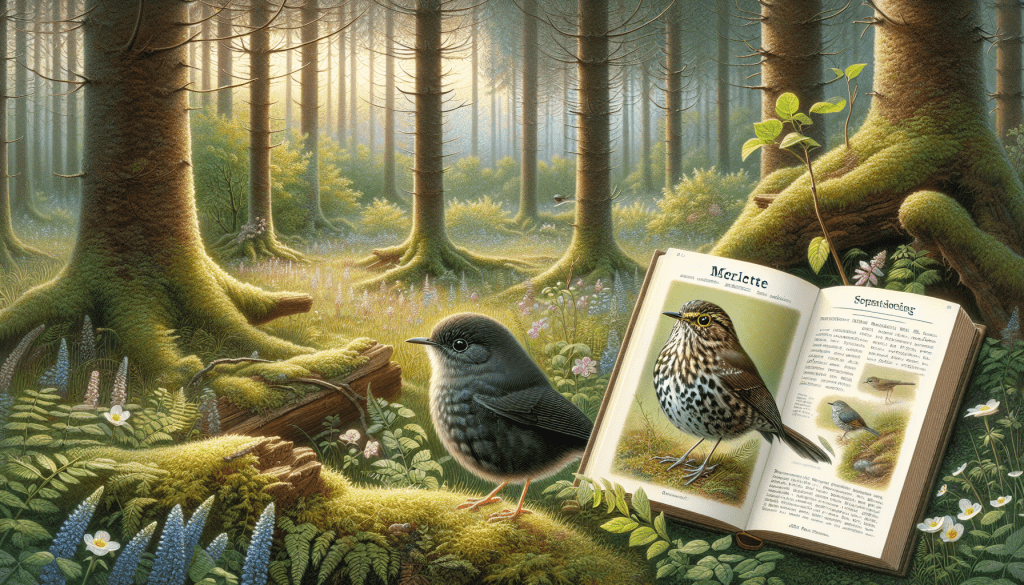
Understanding the subtle differences between a merlette and a grive
Birdwatching has been a popular pastime for many nature lovers, providing them an avenue to connect with the environment in a unique, insightful way. However, recognizing each bird’s species can sometimes be challenging, even for the most experienced birdwatchers. This difficulty is particularly true when distinguishing between closely related species like a merlette and a grive.
It’s critical to note that these two species belong to the Turdidae family, famous for its elegant songbirds. While at first glance it might be hard to tell these beautiful creatures apart, learning about their distinctive physical and behavioral characteristics can make things easier.
Physical Characteristics
A merlette, often called a blackbird for its dark plumage, differs in appearance from a grive. The most obvious difference lies in their coloration. Male merlettes are entirely black, while female ones have a more brownish hue. In contrast, grives, also known as thrushes, usually have a slightly speckled plumage, predominantly brown for the males and lighter for the females.
Behavioral Differences
Taking the time to observe these birds’ behavior can also provide clues to their identity. Merlettes are known to be relatively bold, often seen in gardens and laws, searching for food. On the other hand, grives tend to be more hidden, preferring to nest in trees and high areas.
Knowing their unique songs
Another key identifier for these species is their song. The two birds have distinctive calls, which can provide a helpful clue for identification. The song of a merlette is melodious and varied, often described as ‘flute-like.’ It combines many different notes and tones. In contrast, a grive’s call is a more straightforward, repetitive series of notes.
This distinction in their songs is quite helpful during the breeding season when both males and females are most vocal. Deeper knowledge about their distinctive calls can help birdwatchers and nature enthusiasts identify which feathered friend is visiting their yards or local parks.
Developing the art of birdwatching
Mastering the art of birdwatching requires patience, observation skills, and an in-depth understanding of different species’ physical and behavioral characteristics. Knowing the differences between a merlette and a grive, and being able to identify them correctly, is just one step in a broader journey towards appreciating these wonderful creatures and the environment they inhabit.
It’s a worthwhile endeavor that not only offers rich educational experiences but also gives us greater appreciation for the rich biodiversity that surrounds us.

Sophia Martinez is a dedicated and compassionate animal welfare advocate and writer, who has been enriching the lives of pet owners and animal enthusiasts for over 15 years. At 48 years old, Sophia’s expertise spans a wide range of topics, from pet care and nutrition to wildlife conservation and ethical animal treatment. She holds a Bachelor’s degree in Veterinary Science from Cornell University, which laid the foundation for her deep understanding of animal health and behavior.
Sophia’s career as a writer began after years of working in animal shelters and veterinary clinics, where she discovered her talent for communicating complex animal care concepts in an accessible and engaging manner. Her desire to make a difference in the lives of animals led her to become a prominent contributor to a well-known online news platform, where she now serves as the lead writer for the animal category.
Through her insightful and informative articles, Sophia aims to educate the public on responsible pet ownership, the importance of preserving natural habitats, and the latest advancements in animal health research. Her work not only highlights the joys and challenges of living with animals but also advocates for a more compassionate world where all creatures are respected and valued.
In addition to her writing, Sophia is an active volunteer with several non-profit organizations focused on animal rescue and habitat conservation. She often shares her personal experiences with fostering animals and participating in wildlife rehabilitation programs, further inspiring her readers to get involved in animal welfare causes.
Sophia’s passion for animals and her commitment to advocacy shine through in every piece she writes, making her a trusted and beloved figure among animal lovers worldwide.


