
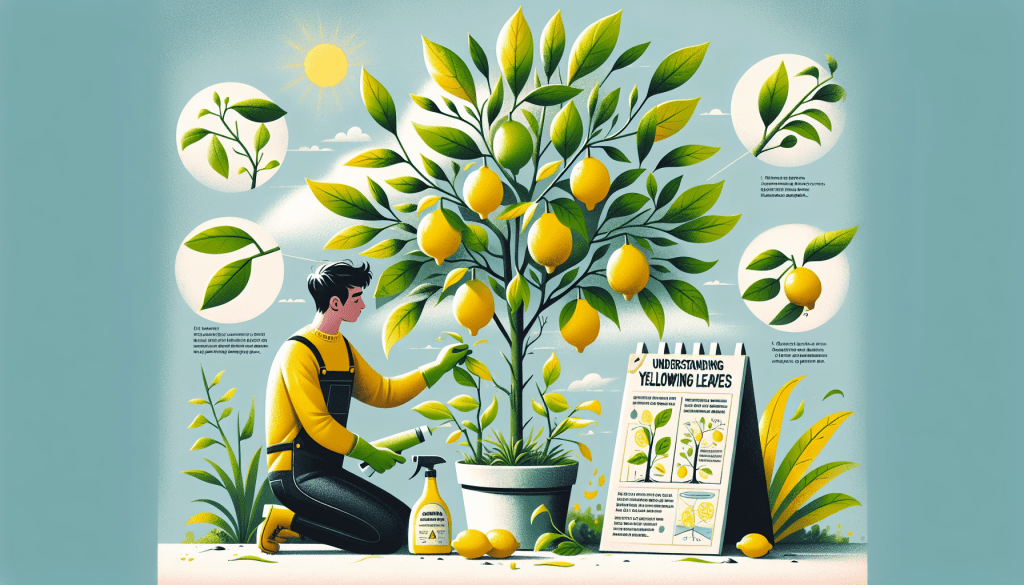
Welcome to the heartening world of gardening, where we interact intimately with nature and partake in the awe-inspiring cycle of growth. As a landscape architect, I’ve been captivated by the deeply fulfilling process of nurturing plants, from sowing the seeds to watching them sprout, grow, and bear fruit. In this sharing, we will delve deep into the fascinating journey of taking care of lemon trees, exploring why their leaves may turn yellow and how to remedy this situation.
Understanding the yellowing of lemon tree leaves
It is natural for us, as devoted caretakers, to worry when our plants exhibit signs of distress. One such sign is the yellowing of leaves, a distinct indication that our lemon tree needs attention. The yellowing often arises due to several reasons – lack of nutrients, water stress (either overwatering or underwatering), insufficient light, or soil pH imbalance are some common causes. Importantly, it can also signify the presence of pests or diseases.
The role of nutrients, water and light
Much like humans, our plants also require a certain balance of nutrients to thrive. In the case of lemon trees, they primarily need nitrogen, along with smaller amounts of phosphorus and potassium. The absence of these essential nutrients can lead to Chlorosis – a condition where leaves cannot produce enough chlorophyll and consequently turn yellow.
Water and light are other critical aspects of a plant’s welfare. A lack of adequate lighting can hamper a lemon tree’s photosynthetic process, while water stresses can result in the yellowing of leaves. It’s important to note that both overwatering and underwatering your tree could lead to this ominous yellow hue.
Adjusting soil pH and managing pests
Lemon trees flourish in slightly acidic soil, and an imbalance in soil pH can influence nutrient absorption causing our cherished leaves to yellow. A soil pH that is too high can lead to Iron Chlorosis, a condition caused due to the lack of iron – an essential element for producing rich, green leaves.
Battling the tiny invaders
As if the plight of maintaining nutrient, light, and water balance was not tough enough, we also have to guard our lemon trees against the minuscule world of pests and diseases. Sucking pests like aphids, scale insects, and spider mites can quite literally sap the life out of your plant, leading to the dreaded yellow leaves.
Ensuring the healthy growth of lemon trees
Knowledge is our most potent weapon in guaranteeing the well-being of our plants. Understanding what causes the troubling yellow leaves in our lemon trees empowers us to avoid these issues in the first place. Regular checks for pests, weekly watering, ensuring bright light, and maintaining optimal nutrient and pH levels can help ensure healthy, green foliage.
The power of community and mutual support
In our shared commitment to sustainability and innovative gardening, we can offer mutual support. Gardeners, amateur or professional, can share their knowledge, inspiring one another towards environmentally conscious gardening. And who knows, the lemon tree in your backyard which you successfully nurtured could motivate your neighbors to take up gardening and make the world a healthier place!
The journey of maintaining a garden, overcoming its challenges, and realizing its immense joys is a deeply fulfilling one. It is a world of learning and empowerment, of fostering a harmonious relationship with nature, a commitment to sustainability, and a heartening symbol of growth and nurturing hope. So, brush off that worry from your face because, with the right knowledge and care, we are more than equipped to handle a few yellow leaves! Let’s embrace the journey and keep gardening forward.

Emma Johnson is a passionate and insightful writer specializing in the house and garden niche, bringing over a decade of experience to her readers. At the youthful age of 34, Emma has already established herself as a leading voice in home improvement, landscaping, and interior design. Her journey began with a degree in Landscape Architecture from the University of Georgia, followed by years of hands-on experience working with renowned landscaping firms across the country.
Emma’s writing career took off when she started sharing her unique ideas and eco-friendly gardening tips on her personal blog. Her ability to blend practical advice with aesthetic design quickly garnered attention, leading to her current position as a featured columnist for a prominent online news site.
Dedicated to sustainable living and innovative design, Emma’s articles offer a wealth of knowledge, from DIY home projects to the latest trends in garden technology. Her work not only enlightens homeowners looking to enhance their living spaces but also inspires a deeper appreciation for the environment.
When she’s not writing or experimenting in her own garden, Emma enjoys mentoring young designers and participating in community beautification projects. Her contributions extend beyond her written work, embodying her commitment to making the world a more beautiful and sustainable place, one home at a time.


