
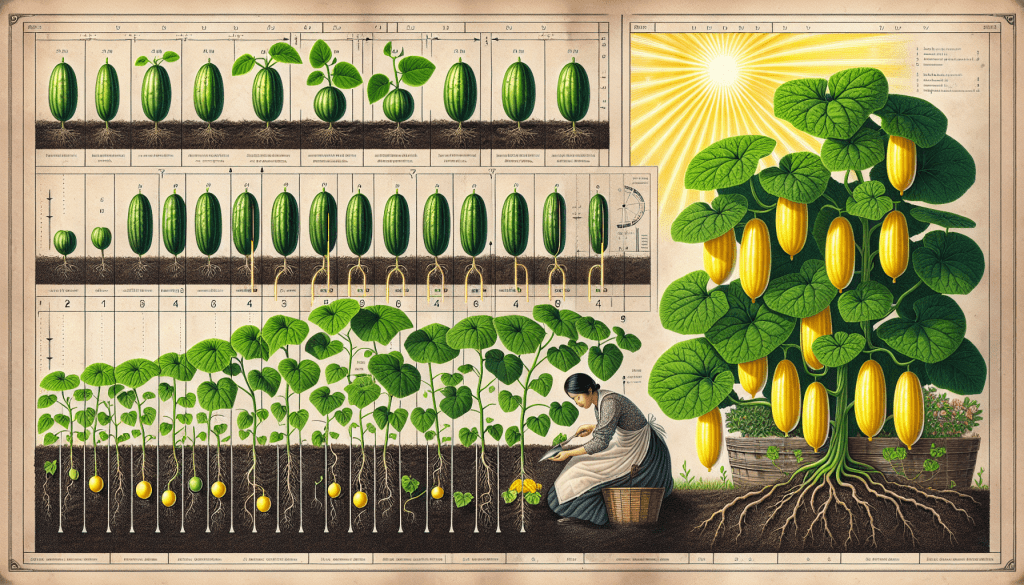
I’ve always been enchanted by the versatility of gardening. Growing your own food can be a rewarding experience that also improves the health and well-being of your family. One plant variety that has caught my attention recently is the lemon cucumber. This intriguing garden addition is not your average cucumber; it boasts a subtly sweet flavor and a unique, lemon-like appearance. As a result, lemon cucumbers have become a favorite for their aesthetic appeal and the zesty twist they add to summer salads.
Growing lemon cucumbers: The basics
Growing lemon cucumbers is similar to growing common cucumbers. These plants thrive in warm weather, so it’s best to plant them after the threat of frost is over. They also require a lot of sunlight – ideally around six hours per day. It’s important to plant lemon cucumbers in rich soil; a healthy dose of organic compost can enrich and prepare the soil, supporting the growth of these plump and juicy fruits.
One factor that sets lemon cucumbers apart is their preference for vertical growth. Create a sturdy frame or trellis for the vines to grow upwards; this not only saves space but also improves air circulation, reducing the risk of fungal diseases. Remember to water lemon cucumbers regularly, but avoid watering the foliage as this can also lead to fungal infections.
Pests and Problems
Like any other garden plants, lemon cucumbers can fall victim to various pests and diseases. Common culprits include cucumber beetles and fungal diseases. If you notice any signs of these problems, it’s crucial to address them immediately to protect your crop. For an eco-friendly solution, consider introducing beneficial insects, such as ladybugs and green lacewings, which prey on harmful pests.
Harvesting and utilizing your lemon cucumbers
One of the great joys of gardening is finally being able to harvest the fruits of your labor. Lemon cucumbers should be harvested when they are about the size of a lemon and have a bright, yellow-green hue. The smaller ones often have the best flavor. Avoid letting them grow too large, as the skin can become tough, and the seeds will mature and harden.
The uses for lemon cucumbers are nearly as varied as the ways you can grow them. They can be enjoyed raw in salads, pickled for longer storage, or used in cooking recipes. In fact, their unique flavor and crunchy texture are wonderful for mixing up your usual cucumber dishes!
After putting in the effort to grow your lemon cucumbers, nothing is quite as satisfying as biting into one and tasting the fruits of your hard work. They offer a wonderful addition to any home garden, so why not give them a try? With a little attention to detail, you’ll be reaping the benefits of this bountiful and flavorful plant.
As we reach the end of our gardening journey today, I hope that this information has broadened your green thumb abilities and enhanced your backyard biodiversity. Each time you sow a seed, remember that you’re also sowing the future – for yourself, your community, and the planet. Keep on growing, and keep on reaching for innovation in all your projects. Always strive for that balance between nature and nurture. Enjoy your gardening!

Emma Johnson is a passionate and insightful writer specializing in the house and garden niche, bringing over a decade of experience to her readers. At the youthful age of 34, Emma has already established herself as a leading voice in home improvement, landscaping, and interior design. Her journey began with a degree in Landscape Architecture from the University of Georgia, followed by years of hands-on experience working with renowned landscaping firms across the country.
Emma’s writing career took off when she started sharing her unique ideas and eco-friendly gardening tips on her personal blog. Her ability to blend practical advice with aesthetic design quickly garnered attention, leading to her current position as a featured columnist for a prominent online news site.
Dedicated to sustainable living and innovative design, Emma’s articles offer a wealth of knowledge, from DIY home projects to the latest trends in garden technology. Her work not only enlightens homeowners looking to enhance their living spaces but also inspires a deeper appreciation for the environment.
When she’s not writing or experimenting in her own garden, Emma enjoys mentoring young designers and participating in community beautification projects. Her contributions extend beyond her written work, embodying her commitment to making the world a more beautiful and sustainable place, one home at a time.


