
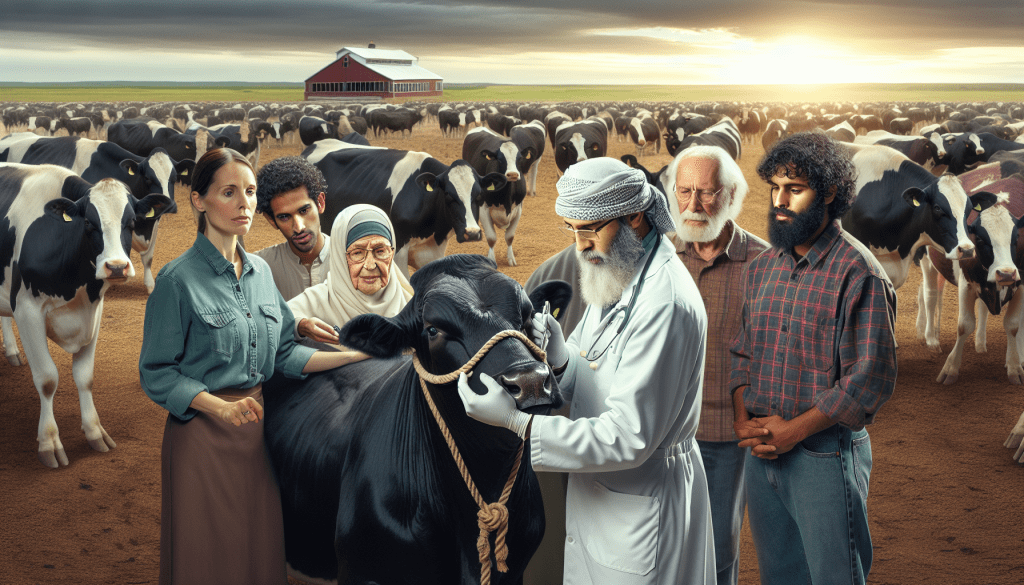
The practice of dehorning cattle
The act of dehorning, or removing the horns of cattle, is a common practice in many farms around the world. It’s often seen as a necessity to help prevent injuries to both the cattle themselves and to the humans who care for them. However, it’s important to recognize that this practice also has its drawbacks and is considered controversial due to welfare concerns.
One of the main reasons for dehorning cattle is to ensure the safety of the farming staff. Horns can be dangerous, as they could easily hurt someone if a cow becomes aggressive or frightened. By removing the horns, the farmer greatly reduces the risk of such incidents happening. There is also a reduced risk of damage to farm equipment and facilities as horns can cause considerable damage when cattle collide with them or use them to explore their environment. Lastly, cattle without horns are also less likely to hurt one another, particularly when in close confinement.
The process of dehorning
Dehorning usually takes place early in a calf’s life, often within a few months of their birth. It can be performed in several ways, including physical dehorning methods such as using a dehorning knife, wire, or saw, as well as chemical and thermal methods. Each method carries its own risks and benefits, thus making it crucial for farmers to be educated about the most ethical practices that minimize discomfort or pain for the animals.
The controversy surrounding this practice
While the process of dehorning can have benefits, it’s important to note that it also bears significant controversy. Animal welfare advocates often raise concerns due to the pain caused to the calves during the procedure. Albeit typically short-term, the distress it causes cannot be dismissed easily.
A study has reported that the pain caused by dehorning is severe and lasts for several hours, even days, after the procedure. Though some may argue that discomfort is an unavoidable part of many medical procedures, it’s the duty of those responsible for an animal’s welfare to minimize unnecessary suffering.
To combat these concerns, many farmers employ the use of pain relief during the process – typically a local anesthetic delivered before the procedure. However, it’s an imperative debate in modern cattle rearing whether more can be done to improve the welfare of these animals.
Moreover, ethical considerations extend beyond the immediate physical pain felt by the cattle. The long-term impact on the animal’s psychological well-being due to the immediate environment alterations also becomes a significant ethical issue.
The world of animal welfare is evolving, and it compels us to look for alternatives. Genetic selection towards hornless, or ‘polled’, cattle is one emerging approach. While it’s not yet widely adopted due to concerns about genetic diversity and feasibility, it offers a potential solution that could negate the need for dehorning in the future.
Awareness towards compassionate treatment of animals, understanding their needs, and creating an environment conducive to their well-being is the need of the hour. Rather than merely seeing animals as commodities, appreciating their sentience and working towards their comfortable and respectful existence is the lesson we must imbibe and propagate. After all, progress in animal welfare is a reflection of our progress as a compassionate society.

Sophia Martinez is a dedicated and compassionate animal welfare advocate and writer, who has been enriching the lives of pet owners and animal enthusiasts for over 15 years. At 48 years old, Sophia’s expertise spans a wide range of topics, from pet care and nutrition to wildlife conservation and ethical animal treatment. She holds a Bachelor’s degree in Veterinary Science from Cornell University, which laid the foundation for her deep understanding of animal health and behavior.
Sophia’s career as a writer began after years of working in animal shelters and veterinary clinics, where she discovered her talent for communicating complex animal care concepts in an accessible and engaging manner. Her desire to make a difference in the lives of animals led her to become a prominent contributor to a well-known online news platform, where she now serves as the lead writer for the animal category.
Through her insightful and informative articles, Sophia aims to educate the public on responsible pet ownership, the importance of preserving natural habitats, and the latest advancements in animal health research. Her work not only highlights the joys and challenges of living with animals but also advocates for a more compassionate world where all creatures are respected and valued.
In addition to her writing, Sophia is an active volunteer with several non-profit organizations focused on animal rescue and habitat conservation. She often shares her personal experiences with fostering animals and participating in wildlife rehabilitation programs, further inspiring her readers to get involved in animal welfare causes.
Sophia’s passion for animals and her commitment to advocacy shine through in every piece she writes, making her a trusted and beloved figure among animal lovers worldwide.


