
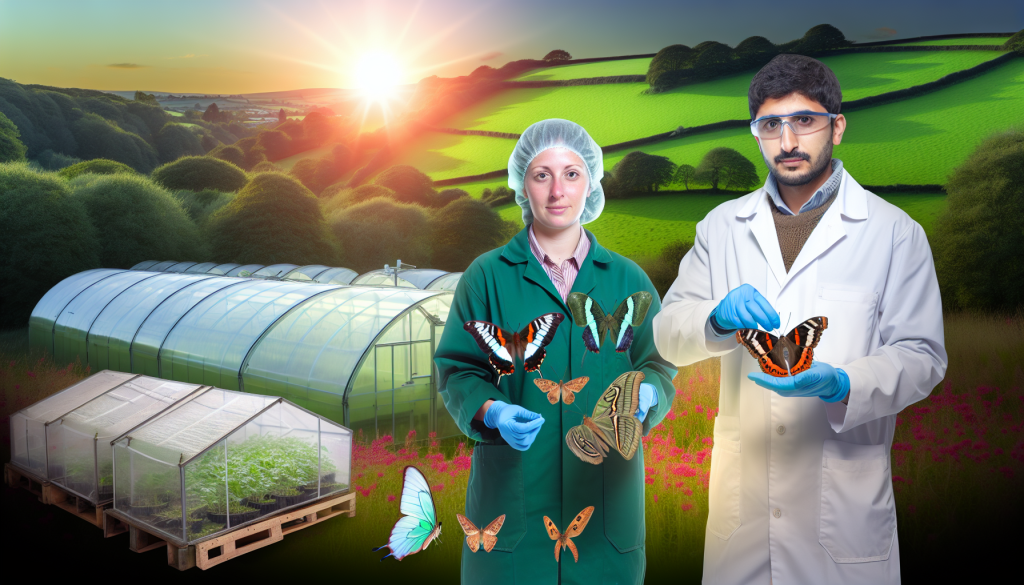
Ecological initiative for butterfly species preservation
Clearing misconceptions about nature is paramount. A classic instance is the role performed by some supposed destructive elements of biodiversity. Butterflies, for instance, are often underestimated. These beautiful, delicate beings play a significant part in the ecosystem, acting as pollinators and serving as an indicator of a healthy environment and biodiversity. Recognizing their importance, an ecological initiative was undertaken in Wales to reintroduce a rare species of butterfly that has been nearly extinct for over a century. This butterfly species, known as “Marsh Fritillary” or Euphydryas aurinia, holds a vital role in the ecosystem, and its reintroduction into the wild is hailed as an exemplary step towards preserving our environment.
Importance and role of Marsh Fritillary in the Ecosystem
Generally small, sized about 35 – 45 mm, Marsh Fritillary is known for its vibrant orange color with brown lines and patterns, making it one of the widely recognized butterfly species. Yet, the essence of this species transcends their aesthetic appeal. They play an essential function in pollination and have a significant relationship with a specific species of plant, the Devil’s-bit Scabious. The relationship is so exclusive that the larvae of Marsh Fritillary feed only on these plants, which makes their existence interdependent.
The challenge of reintroduction and future prospects
The task of reintroducing the Marsh Fritillary into the wild was not without challenges. The reduction in areas of marshy grasslands, their natural habitat, caused by various human activities posed a significant threat to their survival. As a solution, a local farm in Wales has transformed a part of its land into a marshy grassland to provide a suitable habitat for these butterflies. The Marsh Fritallaries, bred in captivity, were then released into this habitat, hoping they will reproduce and thrive in their new environment.
Moreover, the farm ensures that there are enough Devil’s-bit Scabious plants for the butterflies to survive and lay eggs for the next generation. This effort is being widely hailed as an exemplary ecological initiative that embodies the firm commitment to preserving nature and biodiversity.
Every small step counts
This successful reintroduction of Marsh Fritillary in Wales serves as a beacon of hope and reiterates that every small step we take towards preserving the environment counts. It emphasizes our shared responsibility to protect and conserve the biodiversity around us. In addition to participating in such initiatives, educating ourselves and others about the importance of each species in the delicate balance of the ecosystem can further motivate our efforts towards ensuring a sustainable environment for the future.
Through the persistent efforts of preservation, we can bring about a world where each life, small or big, is respected and valued. It’s about time we viewed every creature on Earth as vital cog in the overall wheel of life.

Sophia Martinez is a dedicated and compassionate animal welfare advocate and writer, who has been enriching the lives of pet owners and animal enthusiasts for over 15 years. At 48 years old, Sophia’s expertise spans a wide range of topics, from pet care and nutrition to wildlife conservation and ethical animal treatment. She holds a Bachelor’s degree in Veterinary Science from Cornell University, which laid the foundation for her deep understanding of animal health and behavior.
Sophia’s career as a writer began after years of working in animal shelters and veterinary clinics, where she discovered her talent for communicating complex animal care concepts in an accessible and engaging manner. Her desire to make a difference in the lives of animals led her to become a prominent contributor to a well-known online news platform, where she now serves as the lead writer for the animal category.
Through her insightful and informative articles, Sophia aims to educate the public on responsible pet ownership, the importance of preserving natural habitats, and the latest advancements in animal health research. Her work not only highlights the joys and challenges of living with animals but also advocates for a more compassionate world where all creatures are respected and valued.
In addition to her writing, Sophia is an active volunteer with several non-profit organizations focused on animal rescue and habitat conservation. She often shares her personal experiences with fostering animals and participating in wildlife rehabilitation programs, further inspiring her readers to get involved in animal welfare causes.
Sophia’s passion for animals and her commitment to advocacy shine through in every piece she writes, making her a trusted and beloved figure among animal lovers worldwide.


