
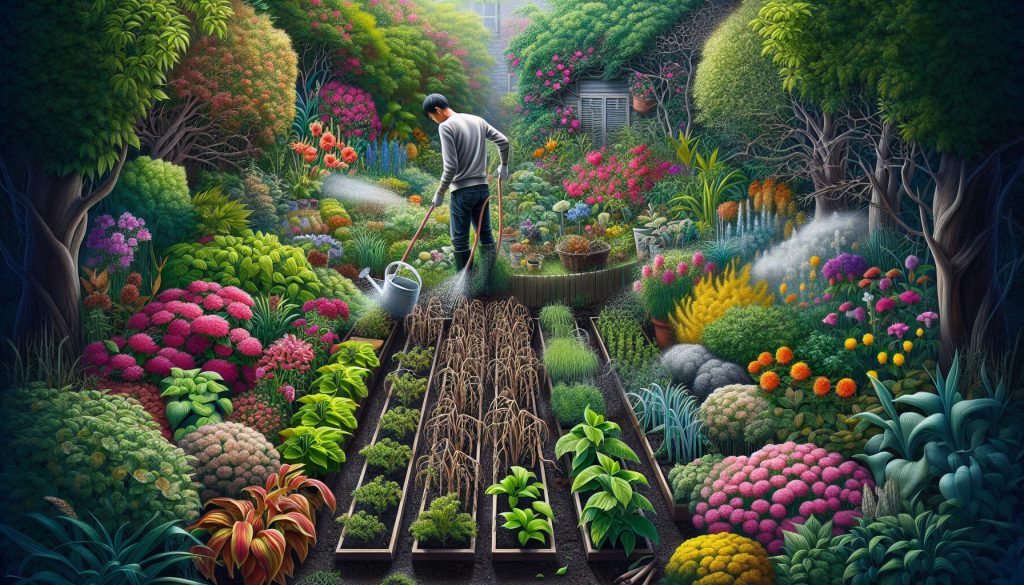
Discovering a freshly cut, neat, weed-free garden is every plant lover’s dream. But what if the very same measures, supposedly designed to help your plants thrive, end up damaging them? The act of cutting and weed whacking your blossoming summer plants can have unexpected and devastating effects. This might be puzzling for some people, especially if they’re not familiar with the underlying principles of plant growth. Let’s explore this phenomenon further and discover how to better care for your plants.
A deeper look at plant damage
When it comes to maintaining your garden, the usual gardening practices, such as mowing and weed whacking might seem favorable at first glance. After all, they’re geared towards making your garden look tidy. On the contrary, these practices can cause significant damage, especially if not done properly. One common example of this is weed whacking, which can unintentionally harm your summer plants.
Plants invest a lot of energy into their growth process. They strive to maximize their exposure to sunlight for photosynthesis, a process necessary for their growth and survival. By cutting off or whacking parts of the plant, you’re essentially interrupting this essential process. This can lead to less healthy plants and reduced yield.
How to care for your plants
Understanding your plant’s growth process is key to preventing unintentional damage. Many plants, especially summer ones, require tender loving care. Perhaps the best approach is to adopt eco-friendly gardening practices. These include using compost, cultivating beneficial insects, practicing proper crop rotation, and, of course, handling plants gently to avoid damage.
Composting and crop rotation
Composting is a natural process that transforms your kitchen and garden waste into nutrient-rich soil. Not only does it provide necessary nutrients to your plants, but it’s also an excellent way to minimize waste. Coupled with proper crop rotation, composting can give your plants the best chance at a healthy and productive life.
Beneficial insects
Did you know not all insects are pests? Some insects can actually be beneficial to your garden. They can help control pest populations and even assist with pollination. Cultivating these insects is yet another example of the innovative ways you can care for your garden without causing undue harm to your plants.
Resistant varieties
Choosing resistant varieties of plants can be a good preventive measure. These plants are more equipped to withstand disease, pests, and certain weather conditions, reducing the need for constant cutting or whacking.
By understanding the unique needs of your plants and adjusting your gardening practices to accommodate them, you can create a thriving garden. Go beyond traditional methods and embrace newer, eco-friendly practices to create a healthier, happier garden. Remember, the summer is a crucial growth period for many plants and should be approached with understanding and patience. Future you, and your plants, will be eternally grateful.

Emma Johnson is a passionate and insightful writer specializing in the house and garden niche, bringing over a decade of experience to her readers. At the youthful age of 34, Emma has already established herself as a leading voice in home improvement, landscaping, and interior design. Her journey began with a degree in Landscape Architecture from the University of Georgia, followed by years of hands-on experience working with renowned landscaping firms across the country.
Emma’s writing career took off when she started sharing her unique ideas and eco-friendly gardening tips on her personal blog. Her ability to blend practical advice with aesthetic design quickly garnered attention, leading to her current position as a featured columnist for a prominent online news site.
Dedicated to sustainable living and innovative design, Emma’s articles offer a wealth of knowledge, from DIY home projects to the latest trends in garden technology. Her work not only enlightens homeowners looking to enhance their living spaces but also inspires a deeper appreciation for the environment.
When she’s not writing or experimenting in her own garden, Emma enjoys mentoring young designers and participating in community beautification projects. Her contributions extend beyond her written work, embodying her commitment to making the world a more beautiful and sustainable place, one home at a time.


