
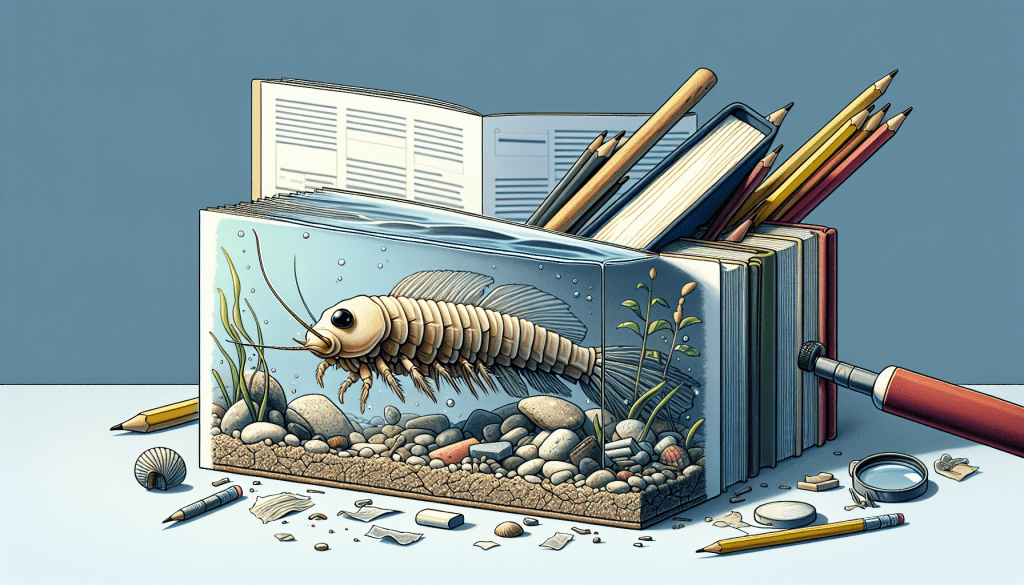
Often characterized as every homeowner’s nightmare, the silverfish or ‘poisson d’argent’ in French, is much more than just an unwelcome guest. Although predominantly viewed as a pest, these tiny, wingless insects belonging to the family Lepismatidae, present an interesting perspective on natural survival and adaptation. A comprehensive understanding of these fascinating creatures can evoke both intrigue and appreciation as we unravel the mysteries of these often misunderstood inhabitants of our homes.
Silverfish: Masters of survival
Existing nearly 300 million years before the first dinosaurs, silverfish are among the oldest insects on the planet. Aptly named for their silver-scale bodies and fish-like movements, silverfish are known for their exceptional adaptability and resilience. They can survive in most climates and environments, including high-altitude mountaintops and warm, humid rainforests, making them a truly versatile species.
One thing that sets silverfish apart is their unique diet. They feed on carbohydrates, particularly starches and sugars. As such, they find common household materials like glue, book bindings, and wallpaper paste delectably irresistible. While this may spell trouble for homeowners, it’s a testament to the silverfish’s survival strategy. By harnessing an easy-to-find and abundant food source, silverfish effectively ensured their survival over millions of years.
Life cycle of a silverfish
Silverfish mature from eggs to adults without undergoing metamorphosis, a process seen in many other insect species. This characteristic further emphasizes their biological hardiness and adaptability. Although their life span is relatively short, they reproduce frequently, ensuring the continued survival of the species.
Not just pests, but indicators of a larger problem
Contrary to popular belief, silverfish are not harmful pests per se. Unlike mosquitoes, ticks, or fleas, they don’t spread disease or cause physical harm. Instead, their presence, especially in large quantities, often signals a larger issue at hand, such as high humidity levels. Therefore, instead of simply exterminating them, it may be more beneficial to address the root cause that attracts them to our homes.
In fact, the presence of silverfish can be utilized as an opportunity for homeowners to reevaluate their living conditions. By reducing moisture levels and depriving silverfish of their food sources, homeowners can make their homes less attractive to these ancient insects, all the while improving their own living environment.
Yes, they may occasionally ruin a beloved book or leave unsightly holes in your wallpaper, but by understanding their biology and behavior patterns, we can find non-harmful ways to manage them and ensure cohabitation rather than antagonism.
In the grand scheme of things, silverfish stand as testament to life’s tenacity and adaptability. They symbolize the ability of life to persist, endure and flourish, irrespective of changes in their environment. They truly are a marvel of the natural world and deserve to be recognized as such.

Sophia Martinez is a dedicated and compassionate animal welfare advocate and writer, who has been enriching the lives of pet owners and animal enthusiasts for over 15 years. At 48 years old, Sophia’s expertise spans a wide range of topics, from pet care and nutrition to wildlife conservation and ethical animal treatment. She holds a Bachelor’s degree in Veterinary Science from Cornell University, which laid the foundation for her deep understanding of animal health and behavior.
Sophia’s career as a writer began after years of working in animal shelters and veterinary clinics, where she discovered her talent for communicating complex animal care concepts in an accessible and engaging manner. Her desire to make a difference in the lives of animals led her to become a prominent contributor to a well-known online news platform, where she now serves as the lead writer for the animal category.
Through her insightful and informative articles, Sophia aims to educate the public on responsible pet ownership, the importance of preserving natural habitats, and the latest advancements in animal health research. Her work not only highlights the joys and challenges of living with animals but also advocates for a more compassionate world where all creatures are respected and valued.
In addition to her writing, Sophia is an active volunteer with several non-profit organizations focused on animal rescue and habitat conservation. She often shares her personal experiences with fostering animals and participating in wildlife rehabilitation programs, further inspiring her readers to get involved in animal welfare causes.
Sophia’s passion for animals and her commitment to advocacy shine through in every piece she writes, making her a trusted and beloved figure among animal lovers worldwide.


