
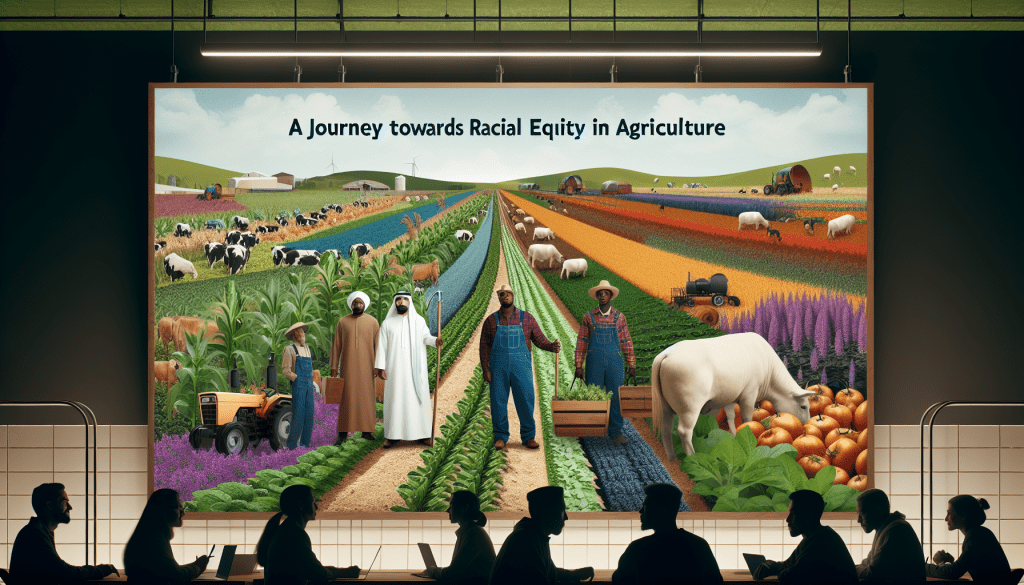
The intersection of agriculture and racial injustice has long marked a contentious spot in America’s sociopolitical landscape. Recently, these issues were pushed to the forefront of national conversation when the Biden administration proposed a plan to provide debt relief to Black farmers—a sector traditionally marginalized and deprived of economic support.
The plan for racial balance in farming
In an effort to address historical wrongs and promote racial equity, the Biden administration crafted a $4 billion plan. This proposal aims to cancel the debt of Black farmers, who have been historically left behind due to systemic racism and biased policies within the agricultural sector.
Specifically, the plan was set to provide assistance for socially disadvantaged farmers and ranchers. The eligibility criterion included those who faced racial or ethnic prejudices because they belonged to a particular group, rather than their individual qualities. This included farmers from minority groups such as African Americans, Hispanics, Native Americans, Asian Americans, and Pacific Islanders.
The backstory of racial discrimination in farming
Historically, minority farmers in the United States have faced systemic discrimination in the form of inequitable distribution of land and resources, denial of agricultural loans, and inadequate federal aid. Coupled with the lasting effects of discriminatory practices like sharecropping and land theft, these farmers struggled to thrive.
The controversy surrounding the plan
The Biden administration’s plan did not escape controversy. Conservative groups, white farmers, and even some members of Congress opposed it, arguing that it discriminated against white farmers. They contended that the plan’s implementation would violate their constitutional rights by providing benefits based on race.
Despite the opposition, supporters continue to stress the need for this debt relief. They believe it would rectify past injustices and promote racial equity in a sector dominated for too long by racial discrimination.
Multiple lawsuits challenged the debt relief plan in court, resulting in a freeze order by a federal judge that stalled the planned payments. Advocates of the relief plan remain hopeful that the subsequent judicial review will side with them and the payments will continue.
As we look at this convoluted issue, what becomes clear is the significance of addressing systemic racism, not only in agriculture but in all sectors of society. The Biden administration’s plan to provide debt relief to Black farmers has sparked much-needed conversation about racial justice in agriculture. But the opposition it has met also underscores the need for further dialogue and actions to ensure righting of past wrongs and promotion of racial equity.
This situation serves as a reminder that achieving racial justice is a complex, often convoluted process with numerous contested nuances. Yet, the pursuit of it is not just an end in itself; it is also vital for the economic justice and overall development of our society.

James Walker is a business journalist with a knack for uncovering the stories behind the numbers and trends shaping the corporate world. At 43 years old, James brings a fresh perspective to business reporting, backed by a solid foundation with a Master’s degree in Business Administration from a well-respected business school. Before stepping into the realm of journalism, James cut his teeth in the finance sector, working as an analyst for a leading investment bank. This experience provided him with an insider’s view of the financial mechanisms driving businesses forward, as well as a critical eye for what makes a company thrive or dive.
As a key business writer for an esteemed online news outlet, James covers a broad spectrum of topics, from startup culture and innovation to in-depth analyses of global market trends. His articles are renowned for their clarity, offering readers a window into the complex world of business without the jargon. James has a particular interest in how technology is reshaping business practices and consumer behavior, a theme that recurs in much of his writing.
James’s approach to business journalism is rooted in the belief that behind every company’s story is a lesson about leadership, strategy, and resilience. Through interviews with business leaders and analyses of companies’ financial health, he seeks to provide his readers with actionable insights and foresight into future trends.
In addition to his written work, James is a regular contributor to business podcasts and webinars, where he discusses the implications of current business news and offers predictions for the future. His engaging delivery and depth of knowledge make him a sought-after commentator on business issues.
James’s commitment to demystifying the business world for his readers has made him an influential voice in business journalism. He not only informs but also inspires his audience to think critically about the forces shaping our economic landscape, making him a valuable resource for professionals and casual readers alike.


