
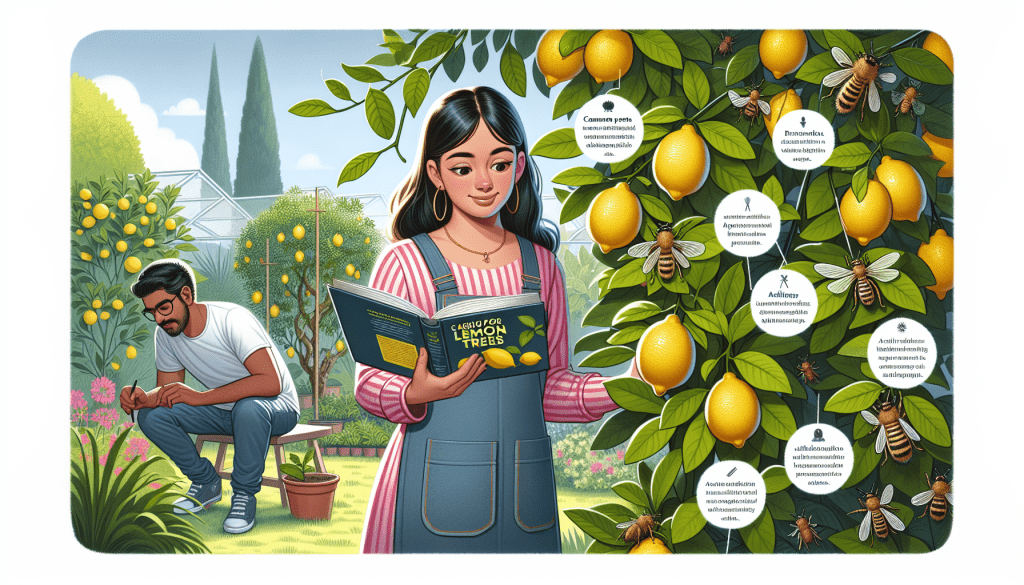
The magic of home gardening extends to growing exquisite life forms like lemon trees. These citrus wonders not only add a tropical touch to your backyard, but also serve as a practical source of the tangy favorite. If you are a vibrant citrus cultivator or just an aspiring lemon-green thumb, this is for you!
Identifying the common lemon tree problems
Lemon trees, like any other plant species, are subject to several common diseases and challenges. Fungal diseases such as Anthracnose, can cause leaf drop, shoot dieback, dark stains, and even death in lemon trees. Another challenge lemon trees often face is the Citrus Leaf Miner, an insect that causes wavy lines on leaves, curling, and distorted growth.
How to spot Anthracnose?
The key to managing Anthracnose is early detection. Look for small, distinct, circular or irregularly shaped dark brown splotches on the leaves. They often resemble ‘ink stains’ and can even extend to the fruits and stems.
Dealing with Citrus Leaf Miner
Spotting a Citrus Leaf Miner infestation is essential as they can significantly impact leaf health and lemon production. These tiny larvae cause ‘squiggly’ lines on the leaf surface that eventually lead to its distortion.
Preventing and managing lemon tree diseases
When it comes to tackling your lemon tree’s health, a proactive approach is best. Avoiding conditions that favor the development of fungal diseases can make a huge difference. Proper spacing to allow good ventilation, regular sanitary pruning, and balanced watering go a long way in maintaining the overall health of your lemon trees.
Environment-friendly solutions
Encouraging an eco-friendly approach, the use of biocontrol agents such as beneficial insects, and biological fungicides can be employed to handle these diseases and pest infestations. These methods, while efficient, also take care of the environment by reducing chemical usage.
Innovative practices
Embracing innovative practices such as the systemic acquired resistance (SAR) strategy, which enhances plant defense mechanisms, can be another excellent approach. Using organic amendments or specific chemicals, these strategies stimulate the plant’s inherent defense responses against diseases.
Remember, a healthier lemon tree contributes not just to a luscious garden, but an overall more sustainable environment. So, apply these insights and offer your lemon trees a longer, healthier life while enjoying the fresh homegrown lemons! But don’t forget to spread the word around, inspiring and urging fellow gardeners to take the same steps in the green path to sustainability.

Emma Johnson is a passionate and insightful writer specializing in the house and garden niche, bringing over a decade of experience to her readers. At the youthful age of 34, Emma has already established herself as a leading voice in home improvement, landscaping, and interior design. Her journey began with a degree in Landscape Architecture from the University of Georgia, followed by years of hands-on experience working with renowned landscaping firms across the country.
Emma’s writing career took off when she started sharing her unique ideas and eco-friendly gardening tips on her personal blog. Her ability to blend practical advice with aesthetic design quickly garnered attention, leading to her current position as a featured columnist for a prominent online news site.
Dedicated to sustainable living and innovative design, Emma’s articles offer a wealth of knowledge, from DIY home projects to the latest trends in garden technology. Her work not only enlightens homeowners looking to enhance their living spaces but also inspires a deeper appreciation for the environment.
When she’s not writing or experimenting in her own garden, Emma enjoys mentoring young designers and participating in community beautification projects. Her contributions extend beyond her written work, embodying her commitment to making the world a more beautiful and sustainable place, one home at a time.


