
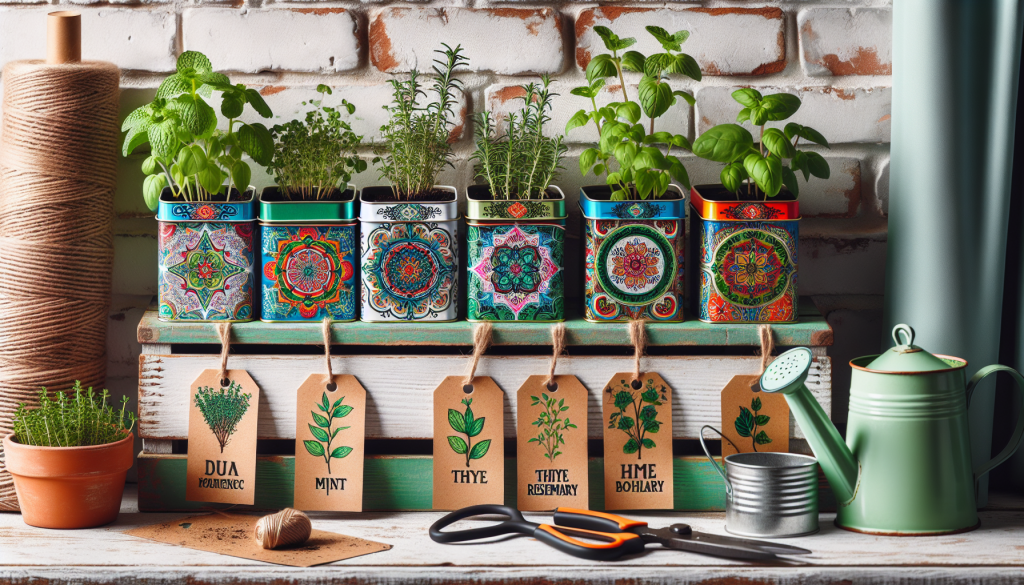
While I’ve always had an affection for green spaces and the calming serenity they bring, one of my most cherished areas of interest has been in crafting miniature indoor herb gardens. The charm of these green nooks not only lies in their aesthetic appeal but also in their functionality and eco-friendly nature.
Reusing tea tins for a DIY herb garden
One of my favorite projects is repurposing tea tins to create an indoor herb garden. There’s something very satisfying about giving these tins a second life, and it adds a touch of uniqueness to your plant collection compared to the standard terracotta pots. Tea tins, with their sturdy build and often beautiful design, make for perfect planters.
To get started, all you need is soil, your chosen herb seeds (parsley, basil, and mint are great beginner herbs), and some old tea tins. Start by cleaning your tea tins thoroughly, then adding some small rocks at the bottom for drainage. Next, fill your tin with soil and plant your seeds according to the package instructions. Finally, water the seeds, ensuring not to overwater as this could lead to root rot.
Proper sunlight and consistent watering based on each herb’s needs will guarantee a flourishing indoor herb garden that not only freshens your space but also provides fresh herbs for your culinary endeavors.
Advantages of having an indoor herb garden
On top of being a fun and sustainable project, having an indoor herb garden offers various advantages. The convenient access to fresh herbs amplifies the taste in your cooking while also offering health benefits. Herbs like basil pack a range of benefits from anti-inflammatory properties to impressive antioxidant potential.
Additionally, indoor herb gardens can support improved air quality in your home. Plants are known for their purification properties, they absorb various airborne chemicals, giving out fresh oxygen in return.
Indoor Gardening Innovations
As we continue innovating in the field of indoor gardening, we’re discovering an array of options for making it more efficient and sustainable. Look for soil alternatives that promote water conservation, or consider adopting hydroponics—a method of gardening without soil that significantly reduces water usage. The journey of indoor gardening is filled with opportunities to implement such eco-friendly solutions, enhancing sustainability while still making your green thumb dreams come true.
Living in harmony with nature, even inside your own home, can be an exciting and rewarding venture. Taking on DIY projects such as this one provide a certain degree of proud self-sufficiency. Providing for your culinary needs while tidying up your space and caring for the environment is a win-win.
Let this project inspire you not only to beautify your space but also to consider adopting other sustainable practices in your daily life. After all, every small step towards sustainability contributes to a more vibrant and healthier planet for us all. Dive in, have fun, and witness your indoor herb garden bloom and thrive. As your herbs flourish in their upcycled tea tins, so shall you in your increased understanding and implementation of sustainable practices. Happy gardening!

Emma Johnson is a passionate and insightful writer specializing in the house and garden niche, bringing over a decade of experience to her readers. At the youthful age of 34, Emma has already established herself as a leading voice in home improvement, landscaping, and interior design. Her journey began with a degree in Landscape Architecture from the University of Georgia, followed by years of hands-on experience working with renowned landscaping firms across the country.
Emma’s writing career took off when she started sharing her unique ideas and eco-friendly gardening tips on her personal blog. Her ability to blend practical advice with aesthetic design quickly garnered attention, leading to her current position as a featured columnist for a prominent online news site.
Dedicated to sustainable living and innovative design, Emma’s articles offer a wealth of knowledge, from DIY home projects to the latest trends in garden technology. Her work not only enlightens homeowners looking to enhance their living spaces but also inspires a deeper appreciation for the environment.
When she’s not writing or experimenting in her own garden, Emma enjoys mentoring young designers and participating in community beautification projects. Her contributions extend beyond her written work, embodying her commitment to making the world a more beautiful and sustainable place, one home at a time.


