
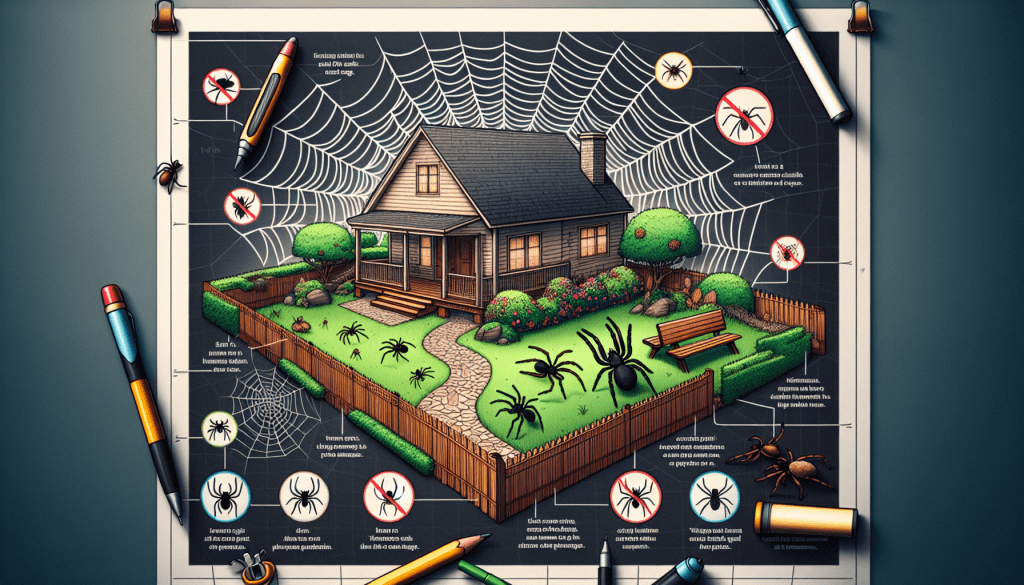
Enchanting, yet potentially hazardous, some spiders have long aroused fascination and fear, especially those that cause harmful bites. In a beautiful yet primal dance of survival, these creatures persist in our world, appearing in diverse locations, including our yards. To ensure our safety within this cohabitation, it’s essential to learn about the most venomous spiders and how to prevent them from turning our yards into their exile.
Understanding the most venomous spider in USA
The Brown Recluse spider is one of the most poisonous spiders in the United States. Characterized by a violin-shaped mark on its back and six eyes arranged in pairs, this spider is typically found in the Midwest and Southeast, found in wooden piles, sheds, storage areas, and sometimes homes.
Despite its notoriety, the Brown Recluse rarely bites, reserving its venom for hunting. However, when it bites humans—usually when threatened or disturbed—it discharges a venom that can cause significant illness. Symptoms may include redness, itching, fever, chills, nausea, joint pain, and in severe cases, a necrotic skin lesion. Nevertheless, the fatality rate from Brown Recluse bites is exceptionally low, emphasizing that fear should not overshadow understanding and precaution.
Preventing venomous spiders from colonizing your yard
Maintaining a clean and organized outdoor area is the key to preventing venomous spiders from making your yard their home. Spiders thrive in cluttered, quiet areas where they can hunt and reproduce quietly. Hence, continuous clean-up is strongly recommended.
Start by keeping the grass of your lawn trimmed and the surroundings clean from fallen leaves and debris. Clear outdoor equipment, especially wooden piles, periodically—and with caution. Ensure your shrubs and trees are not touching the sides of your house, providing an easy pathway for spiders into your home.
Opt for plastic or metal storage containers with tight-fitting lids over cardboard boxes. Clear out old clothes or equipment from any outside buildings, as items not frequently used can become an inviting home for spiders.
Remember, spiders are an essential part of a sustainable ecosystem, controlling pests in your garden, so the aim is not to eradicate them entirely but merely prevent potentially harmful species from getting too close.
As we continue to share our neighborhoods with nature’s beings, it becomes imperative to do so with respect, knowledge, and preventive action. Understanding the behaviors of venomous spiders and promoting an uncluttered and organized yard can ensure both our safety and the conservation of these essential creatures. So, the next time you step foot in your yard, you can do so not with trepidation, but with a deeper understanding and a shared sense of home.

Emma Johnson is a passionate and insightful writer specializing in the house and garden niche, bringing over a decade of experience to her readers. At the youthful age of 34, Emma has already established herself as a leading voice in home improvement, landscaping, and interior design. Her journey began with a degree in Landscape Architecture from the University of Georgia, followed by years of hands-on experience working with renowned landscaping firms across the country.
Emma’s writing career took off when she started sharing her unique ideas and eco-friendly gardening tips on her personal blog. Her ability to blend practical advice with aesthetic design quickly garnered attention, leading to her current position as a featured columnist for a prominent online news site.
Dedicated to sustainable living and innovative design, Emma’s articles offer a wealth of knowledge, from DIY home projects to the latest trends in garden technology. Her work not only enlightens homeowners looking to enhance their living spaces but also inspires a deeper appreciation for the environment.
When she’s not writing or experimenting in her own garden, Emma enjoys mentoring young designers and participating in community beautification projects. Her contributions extend beyond her written work, embodying her commitment to making the world a more beautiful and sustainable place, one home at a time.


