
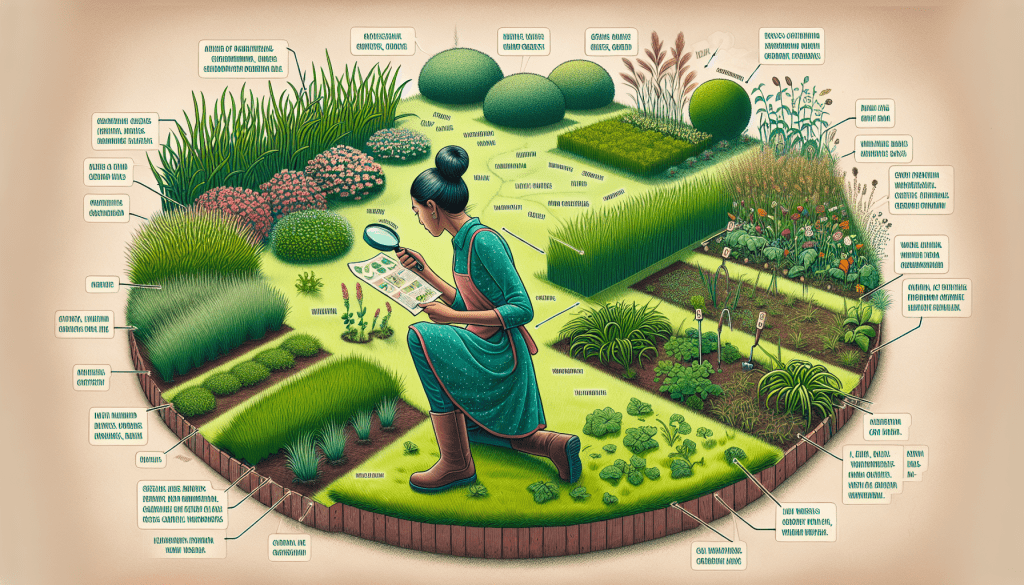
As we muse over the beauty of our garden, one common problem often baffles us – distinguishing between grass and weeds. An unkempt garden not only spoils the view but can also invite unwanted pests. Finding the difference between grass and weeds becomes vital in maintaining the health and aesthetics of the garden.
Understanding the difference
To successfully manage the growth and spread of grass versus weeds in your lawn, it’s necessary to understand what sets them apart. Grass refers to plants from the family Poaceae, which comprises a variety of species widely used for lawns, including Bermuda grass, St. Augustine grass, and Kentucky bluegrass, to name a few.
Weeds, on the other hand, are considered invasive plants competing with your grass for resources such as sunlight, space, and nutrients. These invasive plants like dandelions, clover, and crabgrass are typically harder to eliminate as they grow aggressively and can often withstand harsh conditions better than grass.
Tips to identify grass and weeds
In order to optimize your garden’s health, promptly identifying and controlling grass and weeds is essential. Keep in mind that the easiest way to identify a weed is through its rapid growth compared to other plants. An area of accelerated growth in your lawn, often uneven with the rest, is a tell-tale sign of weed infestation.
Look for unique features in the plants. Different types of grass have distinct characteristics – Bermuda grass, for example, grows flat and spreads quickly, while St. Augustine grass has a broad blade and thrives in high temperatures. On the other hand, weeds like dandelions demonstrate brightly colored flowers, and clovers form a dense, mat-like growth.
Adopting sustainable practices
Cultivating a healthy, weed-free lawn doesn’t always mean resorting to harsh chemicals. Sustainable practices like maintaining the right mowing height, proper irrigation, and choosing the right type of grass for your area can significantly reduce weed infestation. For instance, Bermuda grass is known for its resistance to drought and is ideal for warm climates, while Kentucky bluegrass, although requiring more water, is perfect for cooler regions.
Encouraging innovation
Cutting-edge technologies can also support garden maintenance. Automated sprinkler systems, for example, can aid in administrating the right amount of water, reducing the chance for weeds to thrive. Moreover, lawn mowers with adjustable heights can help maintain ideal grass height, preventing weeds from overtaking.
Taking steps towards identifying and controlling the growth of weeds in your garden can seem daunting at first glance. However, with a bit of knowledge and effort, you can ensure the green expanses of your property are places of beauty and serenity. Gardening is not only about having a nice-looking lawn but also about creating a space that encourages biodiversity, promotes ecological balance, and contributes to a better world.
With a little practice, you will become adept at distinguishing between grass and weeds. Enjoy the process of learning and keep in mind that maintaining a garden is a journey, not a destination. Each garden is unique – learn to embrace its uniqueness. Enjoy the practice of tending to it and watch as it rewards you with its beauty.

Emma Johnson is a passionate and insightful writer specializing in the house and garden niche, bringing over a decade of experience to her readers. At the youthful age of 34, Emma has already established herself as a leading voice in home improvement, landscaping, and interior design. Her journey began with a degree in Landscape Architecture from the University of Georgia, followed by years of hands-on experience working with renowned landscaping firms across the country.
Emma’s writing career took off when she started sharing her unique ideas and eco-friendly gardening tips on her personal blog. Her ability to blend practical advice with aesthetic design quickly garnered attention, leading to her current position as a featured columnist for a prominent online news site.
Dedicated to sustainable living and innovative design, Emma’s articles offer a wealth of knowledge, from DIY home projects to the latest trends in garden technology. Her work not only enlightens homeowners looking to enhance their living spaces but also inspires a deeper appreciation for the environment.
When she’s not writing or experimenting in her own garden, Emma enjoys mentoring young designers and participating in community beautification projects. Her contributions extend beyond her written work, embodying her commitment to making the world a more beautiful and sustainable place, one home at a time.


