
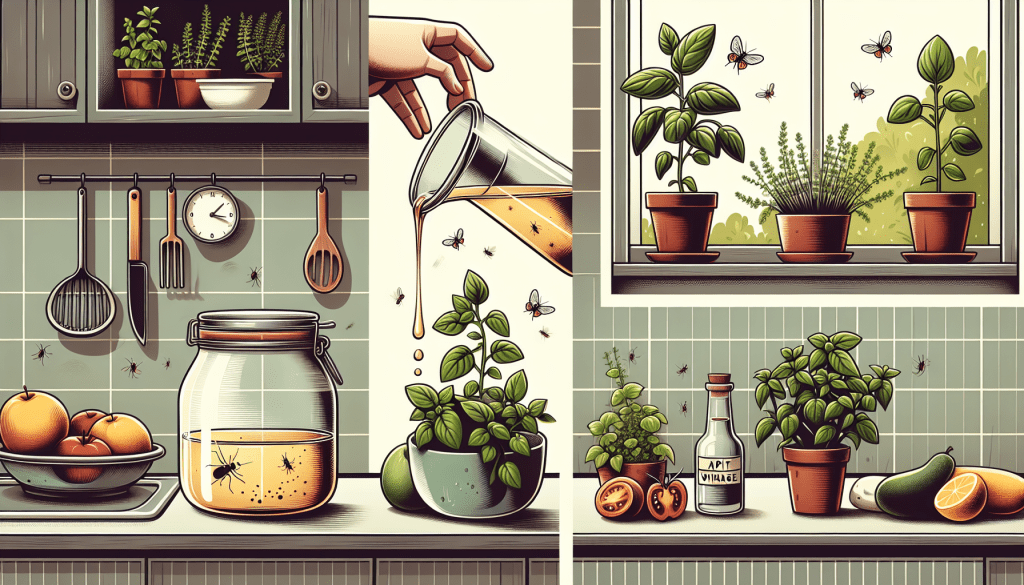
There’s nothing quite as unwanted as the arrival of tiny bugs indoors, especially in your kitchen. They are not just annoying, they can also pose as potential health risks due to their preference for rotting food. If you’re dealing with a gnat problem, the good news is, you don’t have to resort to harmful chemicals to resolve it. There’s an effective, eco-friendly solution that’s probably already in your pantry: baking soda.
Making your own gnat spray with baking soda
It’s surprisingly simple to make a DIY gnat spray using baking soda. To start, you’ll need a spray bottle filled with water. Add a tablespoon of baking soda and shake thoroughly until it’s completely dissolved. If you wish, you can add a few drops of essential oils, such as lavender or peppermint, to change the scent.
Once your solution is ready, spray it directly on any place where you’ve seen gnats. Please take note, this solution eliminates gnats, so you should only use it if you’re sure it’s a gnat infestation. Moreover, remember to avoid spraying it on your plants, because baking soda can detrimentally affect the pH level of the soil.
The preventative measure: keep your kitchen clean
The best method of gnat control, however, is prevention. After all, when conditions are right, a gnat infestation can multiply extremely quickly. Therefore, keeping your kitchen clean and free of rotting food should be your first line of defense.
To avoid attracting gnats, clean your kitchen regularly. Make sure countertops are wiped down, dishes are cleaned promptly, and compost bins or other food waste is sealed securely. Keeping your fruits and vegetables in the fridge, instead of leaving them out in a bowl, may also prevent gnats from being attracted to your kitchen.
Beware of indoor plants
Often overlooked, indoor plants provide favorable conditions for gnats, due to the moist and nutrient-rich soil. If possible, let the soil dry out completely between waterings. If you see gnats in your plants, try reducing the frequency of watering, as this could discourage them from laying eggs.
Sustainable and easy solutions like these can make a significant difference in managing the tiny pests. Remember, the goal isn’t just to kill gnats but to prevent their arrival in the first place.
As we’ve seen, you don’t need to rely on toxic pest control solutions. Instead, using a bio-friendly baking soda solution can help you manage and even eradicate gnats plaguing your kitchen. Besides this, maintaining cleanliness and altering the environment slightly, especially in the case of indoor plants, can go a long way in preventing these pests. As they say, prevention is indeed better than cure.

Emma Johnson is a passionate and insightful writer specializing in the house and garden niche, bringing over a decade of experience to her readers. At the youthful age of 34, Emma has already established herself as a leading voice in home improvement, landscaping, and interior design. Her journey began with a degree in Landscape Architecture from the University of Georgia, followed by years of hands-on experience working with renowned landscaping firms across the country.
Emma’s writing career took off when she started sharing her unique ideas and eco-friendly gardening tips on her personal blog. Her ability to blend practical advice with aesthetic design quickly garnered attention, leading to her current position as a featured columnist for a prominent online news site.
Dedicated to sustainable living and innovative design, Emma’s articles offer a wealth of knowledge, from DIY home projects to the latest trends in garden technology. Her work not only enlightens homeowners looking to enhance their living spaces but also inspires a deeper appreciation for the environment.
When she’s not writing or experimenting in her own garden, Emma enjoys mentoring young designers and participating in community beautification projects. Her contributions extend beyond her written work, embodying her commitment to making the world a more beautiful and sustainable place, one home at a time.


