
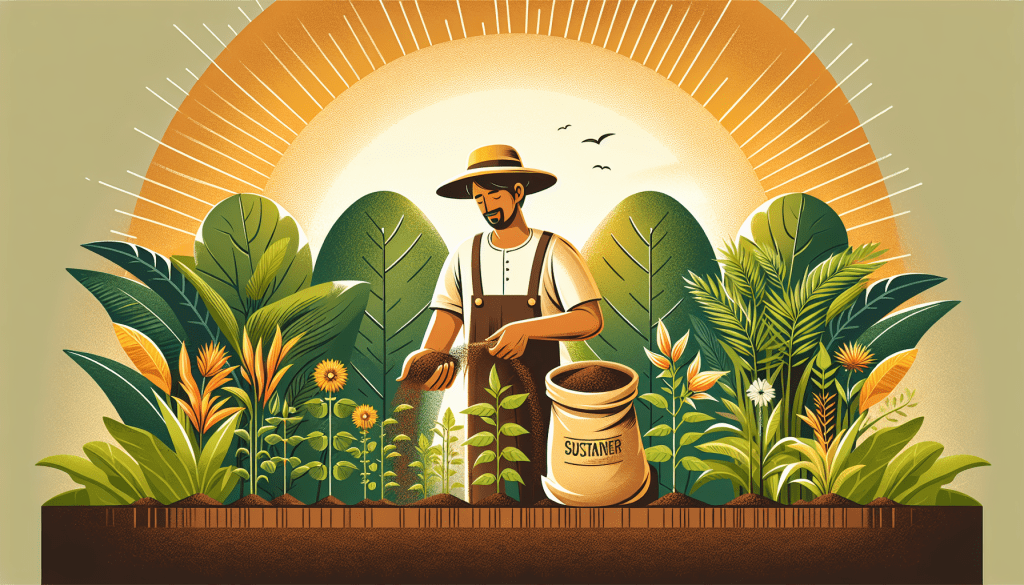
As garden enthusiasts, we’re always looking for methods to help our plants thrive. Watering seedlings may sound like a straightforward task, but it can sometimes be tricky. Soaking the soil can lead to unwanted mold and rot issues, particularly with delicate young plants. One innovative solution, that promotes sustainability, is coconut coir. This eco-friendly material is excellent for controlling moisture levels, preventing rot, and encouraging healthy root growth.
Understanding the advantages of coconut coir
Coconut coir, which is derived from the husks of coconuts, is a revolutionary product that offers immense benefits to the gardening community and the environment alike. Repurposing what would otherwise be waste, coir significantly reduces the environmental impact.
Coconut coir is naturally resistant to bacterial and fungal growth, which is its pivotal attribute for preventing rot. High water holding capacity makes it a fantastic material for managing water. While it retains moisture to benefit the plant, it doesn’t hold excess water, thus preventing the soil from waterlogging and the roots from rotting. Plus, it helps maintain optimal pH and EC levels which results in a balanced environment for seedlings to grow healthily.
Effective ways to use coconut coir
To maximize the benefits of coconut coir, there are a few best practices to follow. Firstly, it is available in various forms such as coir blocks, disks, or bricks. Depending on the format, you might need to soak and rehydrate it prior to use. Once activated, you can blend this fibrous material with your garden soil or potting mix to improve its water retention and aeration qualities. It is beneficial for both indoor and outdoor gardening scenarios.
For planting seeds, you can make your own coir pellets. Just mold the hydrated coir into a small, compact disk, and plant your seed right in the center. Another method to use coconut coir for seedlings is to layer it at the bottom of the planter or garden bed prior to planting. This maintains the moisture balance and provides an extra barrier to deter pests and diseases.
Lastly, remember to maintain an optimal balance of coir and soil. Using too much may lead to overly damp conditions which brings us back to the original problem of elevating rot risks. Spruce up your planting mix with some compost or organic fertilizer to ensure your young seedlings get all the essential nutrients they need.
Now, armed with this innovative, sustainable solution, it’s time to introduce coconut coir to your gardening routine. Not only does it prevent rot in your seedlings, but it also contributes to an eco-friendly gardening strategy. This method is a resourceful way to reduce waste while supporting healthier, more vigorous plant growth. Happy gardening!

Emma Johnson is a passionate and insightful writer specializing in the house and garden niche, bringing over a decade of experience to her readers. At the youthful age of 34, Emma has already established herself as a leading voice in home improvement, landscaping, and interior design. Her journey began with a degree in Landscape Architecture from the University of Georgia, followed by years of hands-on experience working with renowned landscaping firms across the country.
Emma’s writing career took off when she started sharing her unique ideas and eco-friendly gardening tips on her personal blog. Her ability to blend practical advice with aesthetic design quickly garnered attention, leading to her current position as a featured columnist for a prominent online news site.
Dedicated to sustainable living and innovative design, Emma’s articles offer a wealth of knowledge, from DIY home projects to the latest trends in garden technology. Her work not only enlightens homeowners looking to enhance their living spaces but also inspires a deeper appreciation for the environment.
When she’s not writing or experimenting in her own garden, Emma enjoys mentoring young designers and participating in community beautification projects. Her contributions extend beyond her written work, embodying her commitment to making the world a more beautiful and sustainable place, one home at a time.


