
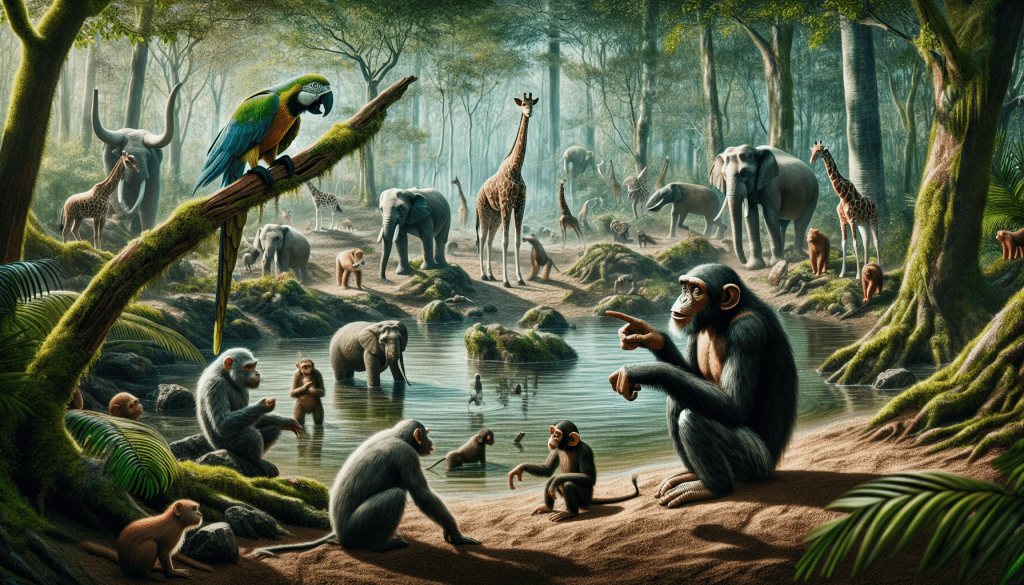
One of the most fascinating aspects of the animal kingdom is inter-species communication. Many of us have asked questions like, can animals of different species communicate with each other? If so, how does it work? This article aims to explore these intriguing phenomena and shed some light on the ways animals bridge the gap of species-specific communication.
Decoding the language of interspecies communication
Research and observations tell us that animals, in their own unique ways, can indeed communicate with other species. This happens because animals don’t exclusively use complex vocal expressions or languages like humans do. Instead, they primarily communicate non-verbally through visual signals, chemical cues, and simple vocalizations. Oftentimes, these communication modes are generalized enough to be understood by different species.
The case of meerkats and birds
A pronounced example of this is the symbiotic relationship between meerkats and pied babblers, a type of bird found in the southern parts of Africa. Meerkats often follow pied babblers around, interpreting their vocal signals for the presence of food or danger. This relationship is mutually beneficial; the birds get an extra set of eyes looking out for predators, while the meerkats get notified about food sources.
Animal cross-species friendships
While interspecies communication generally happens for mutually beneficial reasons, there have been cases where animals of different species become friends, maintaining a close bond, much like humans do. These friendships aren’t just incidental; they proof that animals can decipher the feelings, emotions, and communication cues of creatures vastly different from them. Such instances go beyond our typical understanding of animal behavior and point to a deeply ingrained capacity for empathy and social bonding among animals.
The story of Bubbles and Bella
An endearing example of such a bond is the friendship between Bubbles the elephant and Bella the dog. Despite their significant size difference and disparate forms of communication, the two are inseparable playmates at their home in a South Carolina sanctuary, swimming and playing ball together. Their bond demonstrates that even when the normal survival benefits are not present, animals are capable of reaching across species lines to form deep emotional connections.
So, can different animal species communicate with each other? Absolutely. The ways may vary, with each exhibiting their own version of social interaction, warning signals, emotion sharing, and even friendship. But what’s clear is that animals have the capacity for interspecies communication, surpassing boundaries we once thought couldn’t be crossed. This incredible observation further emphasizes the need for preserving diverse ecosystems, respecting all forms of life, and continuously exploring the remarkable behaviors within the animal kingdom.

Sophia Martinez is a dedicated and compassionate animal welfare advocate and writer, who has been enriching the lives of pet owners and animal enthusiasts for over 15 years. At 48 years old, Sophia’s expertise spans a wide range of topics, from pet care and nutrition to wildlife conservation and ethical animal treatment. She holds a Bachelor’s degree in Veterinary Science from Cornell University, which laid the foundation for her deep understanding of animal health and behavior.
Sophia’s career as a writer began after years of working in animal shelters and veterinary clinics, where she discovered her talent for communicating complex animal care concepts in an accessible and engaging manner. Her desire to make a difference in the lives of animals led her to become a prominent contributor to a well-known online news platform, where she now serves as the lead writer for the animal category.
Through her insightful and informative articles, Sophia aims to educate the public on responsible pet ownership, the importance of preserving natural habitats, and the latest advancements in animal health research. Her work not only highlights the joys and challenges of living with animals but also advocates for a more compassionate world where all creatures are respected and valued.
In addition to her writing, Sophia is an active volunteer with several non-profit organizations focused on animal rescue and habitat conservation. She often shares her personal experiences with fostering animals and participating in wildlife rehabilitation programs, further inspiring her readers to get involved in animal welfare causes.
Sophia’s passion for animals and her commitment to advocacy shine through in every piece she writes, making her a trusted and beloved figure among animal lovers worldwide.


