
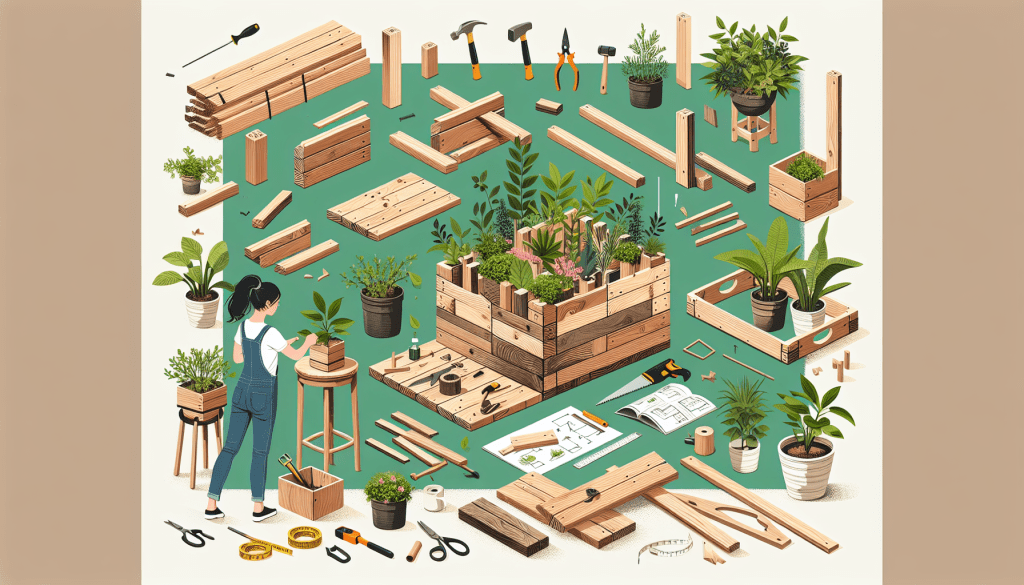
Welcome fellow green thumbs and DIY enthusiasts! Today, we’re diving into an engaging topic that combines the joy of gardening with the gratification of crafting. How? By exploring the world of wood planter building – a project that marries creativity, functionality, and sustainability. We’ll discuss important DIY tips, the various pros and cons of wooden planters, and how to approach this project responsibly and innovatively. Strap in, and let’s get our hands dirty together!
DIY wooden planters: Tips to get you started
Embarking on a DIY wooden planter project can be both exciting and daunting. Remember the goal is not just to create something beautiful but durable and sustainable as well. Here are some key tips to help you start:
Material selection is crucial
Prioritize using untreated, sustainably sourced wood. Not only is it safer for your plants and the environment, but it also adds authenticity to your project. Woods like cedar, teak or redwood are excellent choices since they’re naturally rot-resistant.
Design with purpose
Plan smartly and creatively. The design should make sense not just aesthetically but practically too. Make sure it can accommodate the rooting habits and growth of the intended plants.
Ease up the maintenance
Consider easy-to-maintain designs. For instance, incorporating a built-in drainage system can save you from waterlogging nightmares. You could also consider adding a removable bottom for easy cleaning.
Advantages and disadvantages of wooden planters
As with any other material, wood planters come with their own set of benefits and limitations. Here’s what you need to know:
The pros
Wood planters are beautiful and organic. Their rustic appeal blends organically with the greenery,
and they also provide excellent insulation for the roots. Customizability is another strong point. You have the freedom to build to size, shape, and style according to your preference.
The cons
On the flip side, untreated wood is susceptible to rot and infestation. While this is addressable, it’s crucial to know up-front. Also, compared to other materials, wooden planters might require more maintenance to keep them looking fresh and lasting longer.
Once you have balanced these pros and cons alongside your expectations, skillset, and resources, you are well set to embark on this exciting project. Just remember, this should be an enjoyable journey embracing creativity, sustainability, and innovation. As you design, build and eventually plant in your wooden planter, you won’t just be creating a space for your flowers to bloom. Instead, you’ll be crafting a personal, little eco-system, reflecting your connection with nature and commitment to the environment.
So go on, get started on this marvelous journey of creating with heart and building with purpose, keeping in mind the ultimate goal – nurturing our green friends and contributing, in your own small way, towards a healthier planet. Happy building, happy planting!

Emma Johnson is a passionate and insightful writer specializing in the house and garden niche, bringing over a decade of experience to her readers. At the youthful age of 34, Emma has already established herself as a leading voice in home improvement, landscaping, and interior design. Her journey began with a degree in Landscape Architecture from the University of Georgia, followed by years of hands-on experience working with renowned landscaping firms across the country.
Emma’s writing career took off when she started sharing her unique ideas and eco-friendly gardening tips on her personal blog. Her ability to blend practical advice with aesthetic design quickly garnered attention, leading to her current position as a featured columnist for a prominent online news site.
Dedicated to sustainable living and innovative design, Emma’s articles offer a wealth of knowledge, from DIY home projects to the latest trends in garden technology. Her work not only enlightens homeowners looking to enhance their living spaces but also inspires a deeper appreciation for the environment.
When she’s not writing or experimenting in her own garden, Emma enjoys mentoring young designers and participating in community beautification projects. Her contributions extend beyond her written work, embodying her commitment to making the world a more beautiful and sustainable place, one home at a time.


