
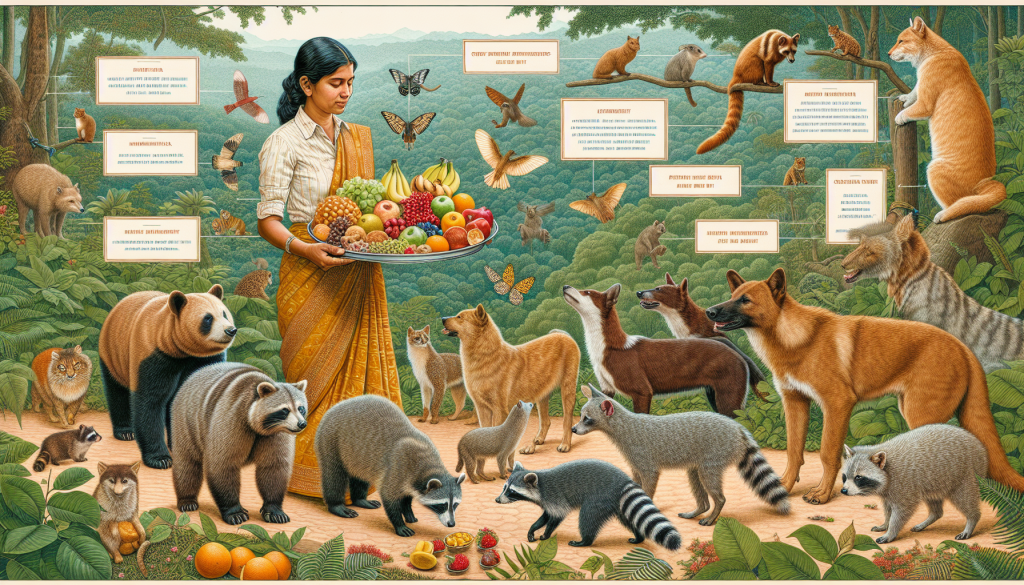
Understanding the sweet tooth in animals
Have you ever thought about whether our pets have a sweet tooth, just like us humans? Well, the answer might surprise you. As is evident in most social media clips or videos featuring pets, it’s not only us humans who have a propensity for all things sweet, animals do too. They love to sample what’s on our plates, especially if it involves a slice of cake or a scoop of ice cream.
In a recent publication, it was uncovered that a certain selection of animals naturally lean toward sweet treats. This is due mostly to their physiological makeup and evolutionary adaptations. So the next time your pet dog devours that slice of pie you left on the countertop, know that they are programmed to do so.
Feeding sugar to animals, a double-edged sword
However, just like humans, animals have to bear the consequences of their choices too. Yes, it’s true that their bodies are hardwired to consume some level of sugar, but it doesn’t bode well for their health in the long run if it’s in excess. A high sugar diet can lead to the same obesity and diabetes issues faced by humans.
It’s beneficial to remember that although they might enjoy snacking on some sugary delight, animals naturally consume sugar through fruits and other natural foods in their diet. These sources provide the minimal amount of sugar required for their bodily functions.
Dogs and the sweet danger
Contrary to a spread belief, dogs do have a sweet tooth. While they might differ on their individual preferences for sweet vs. savory, there is a definite inclination towards sugary foods. Yet feeding them a high amount of sugar could lead to multiple health issues such as obesity, dental problems, and diabetes. A diet closer to what they would consume in the wild would lead to a healthier and longer life.
Moreover, it’s important to add that certain sweet products such as chocolate and xylitol (an artificial sweetener) are highly toxic to dogs and should be avoided at all costs.
Wild animals and their sweet preferences
Studies have shown that wild animals too, have a palate for sweet treats. They naturally get their sugar fix from fruits in their habitat. But it’s not without consequences. A sudden introduction of high sugary foods or human food scraps into their diet can lead to disruptive behaviors and health issues.
It is of the utmost importance to respect the natural feeding habits of wild animals and not to introduce them to processed human foods. We cannot stress enough on the importance of coexisting peacefully and causing minimal disruption to their ways of life. Every creature has its role in this planet’s ecosystem, and it’s our responsibility to ensure that we allow them to perform it without any human-induced obstacles.
Every pet owner or animal enthusiast should base their actions on the knowledge of what constitutes healthy and natural ingestion habits for pets and wild animals. It’s not enough to love animals; it’s crucial to provide them with the best care possible, which includes a healthy and balanced diet.
As intriguing as it might seem that animals too have a sweet tooth, it’s important to control their consumption of sugary foods for their own health. The crucial realization should be that while they are part of our lives, we should not force our habits upon them, but rather learn about their natural behaviors and dietary preferences. This understanding will allow us to provide them with the longest, healthiest lives possible. It will not only serve them but also teach us valuable lessons about the wonderful variety of life on this planet.

Sophia Martinez is a dedicated and compassionate animal welfare advocate and writer, who has been enriching the lives of pet owners and animal enthusiasts for over 15 years. At 48 years old, Sophia’s expertise spans a wide range of topics, from pet care and nutrition to wildlife conservation and ethical animal treatment. She holds a Bachelor’s degree in Veterinary Science from Cornell University, which laid the foundation for her deep understanding of animal health and behavior.
Sophia’s career as a writer began after years of working in animal shelters and veterinary clinics, where she discovered her talent for communicating complex animal care concepts in an accessible and engaging manner. Her desire to make a difference in the lives of animals led her to become a prominent contributor to a well-known online news platform, where she now serves as the lead writer for the animal category.
Through her insightful and informative articles, Sophia aims to educate the public on responsible pet ownership, the importance of preserving natural habitats, and the latest advancements in animal health research. Her work not only highlights the joys and challenges of living with animals but also advocates for a more compassionate world where all creatures are respected and valued.
In addition to her writing, Sophia is an active volunteer with several non-profit organizations focused on animal rescue and habitat conservation. She often shares her personal experiences with fostering animals and participating in wildlife rehabilitation programs, further inspiring her readers to get involved in animal welfare causes.
Sophia’s passion for animals and her commitment to advocacy shine through in every piece she writes, making her a trusted and beloved figure among animal lovers worldwide.


