
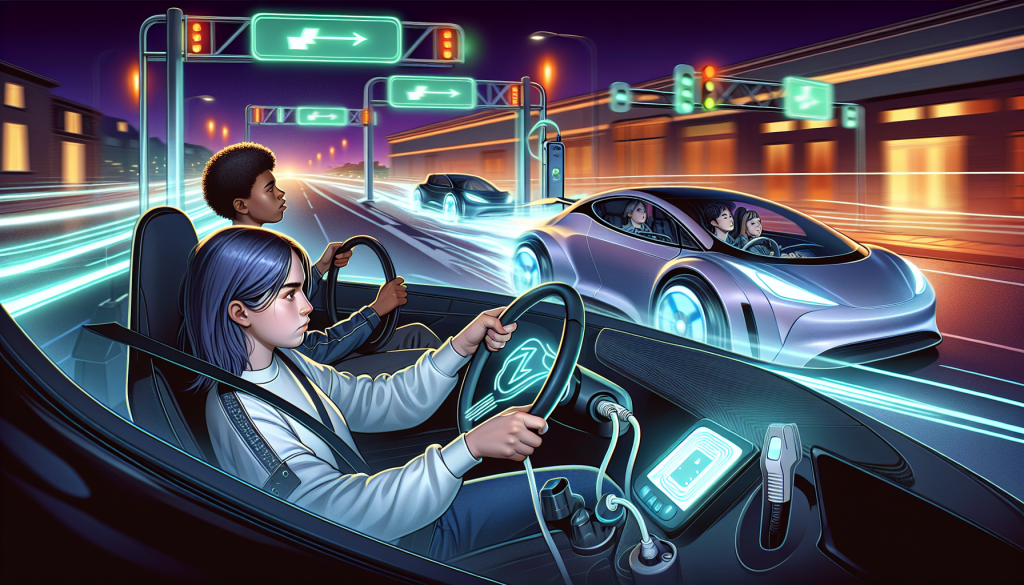
The Tesla phenomenon among teen drivers
Electric vehicles are steadily gaining ground, but one brand, in particular, has consistently captured adolescent hearts and minds – Tesla. Where once teens dreamed of Malibu Beach Cars and Mustangs, they’re now clamoring for Teslas. Luxury, performance, and environmental responsibility comprise the appealing trinity that makes this brand resonate with young drivers.
Looking closer, the allure of Tesla lies beyond just the brand’s cool quotient. Their electric vehicles are designed with innovative technology, driving safety features, state-of-the-art designs, and impressive investment benefits – all embodied in a sleek, futuristic package wielding the prestige of Musk’s brand. Thus, the notion of owning a Tesla carries tremendous social capital among Gen Z.
Shifting automotive affections
From a broader perspective, this shift in vehicular allegiance seems to be symptomatic of broader generational points of view. Raised in an era inundated with climate change warnings, today’s teens are keenly aware of the environmental implications of their decisions, including their choice of car. Thus Teslas, being electric, are perceived not just as personal transport but as a statement of environmental responsibility. This factor, combined with Tesla’s modern aesthetics and technological prowess, makes it irresistible to climate-conscious and tech-savvy teens.
The potential ramifications
However, it’s necessary to consider the potential ramifications of this trend. While Tesla and other electric vehicles bring undeniable environmental benefits and an image of ‘cool,’ there may also be some negative aspects.
Financial implications
For starters, owning an electric car, especially a brand like Tesla, can be a significant financial undertaking. Beyond the initial investment, the maintenance and repair costs could also be elevated compared to conventional gasoline-engine vehicles, a fact that not many teen drivers or their parents may realize.
Safety concerns
Furthermore, there are potential safety issues to address. For one, Tesla cars are potent machines with acceleration capabilities that might not be suitable for novice drivers. Though Tesla vehicles are outfitted with advanced safety features, the question arises whether teenagers, who are statistically more prone to vehicular accidents, should be behind the wheel of such high-performance machines. As such, clear guidelines may be required to address this.
Misconceptions about sustainable driving
Further complicating things is the misconception that driving an electric vehicle is entirely sustainable. While EVs are indeed more eco-friendly than their internal-combustion counterparts, they’re not entirely ‘green’. Factors like electricity generation and battery production contribute to their carbon footprint, albeit less significantly than traditional vehicles. Thus, it might be misleading to view EV ownership as the pinnacle of environmentally responsible driving.
While it’s indeed heartening to see the next generation gravitating towards environmentally conscious choices such as electric vehicles, it’s crucial to keep a balanced perspective on this trend. As with any major societal shift, the rise of Tesla among teen drivers holds promising potential, but it also presents challenges that need to be addressed responsibly. Education on the financial implications, the realities of ‘green driving’, and responsible driving habits should accompany this enthusiastic embrace of electric vehicles.

James Walker is a business journalist with a knack for uncovering the stories behind the numbers and trends shaping the corporate world. At 43 years old, James brings a fresh perspective to business reporting, backed by a solid foundation with a Master’s degree in Business Administration from a well-respected business school. Before stepping into the realm of journalism, James cut his teeth in the finance sector, working as an analyst for a leading investment bank. This experience provided him with an insider’s view of the financial mechanisms driving businesses forward, as well as a critical eye for what makes a company thrive or dive.
As a key business writer for an esteemed online news outlet, James covers a broad spectrum of topics, from startup culture and innovation to in-depth analyses of global market trends. His articles are renowned for their clarity, offering readers a window into the complex world of business without the jargon. James has a particular interest in how technology is reshaping business practices and consumer behavior, a theme that recurs in much of his writing.
James’s approach to business journalism is rooted in the belief that behind every company’s story is a lesson about leadership, strategy, and resilience. Through interviews with business leaders and analyses of companies’ financial health, he seeks to provide his readers with actionable insights and foresight into future trends.
In addition to his written work, James is a regular contributor to business podcasts and webinars, where he discusses the implications of current business news and offers predictions for the future. His engaging delivery and depth of knowledge make him a sought-after commentator on business issues.
James’s commitment to demystifying the business world for his readers has made him an influential voice in business journalism. He not only informs but also inspires his audience to think critically about the forces shaping our economic landscape, making him a valuable resource for professionals and casual readers alike.


