
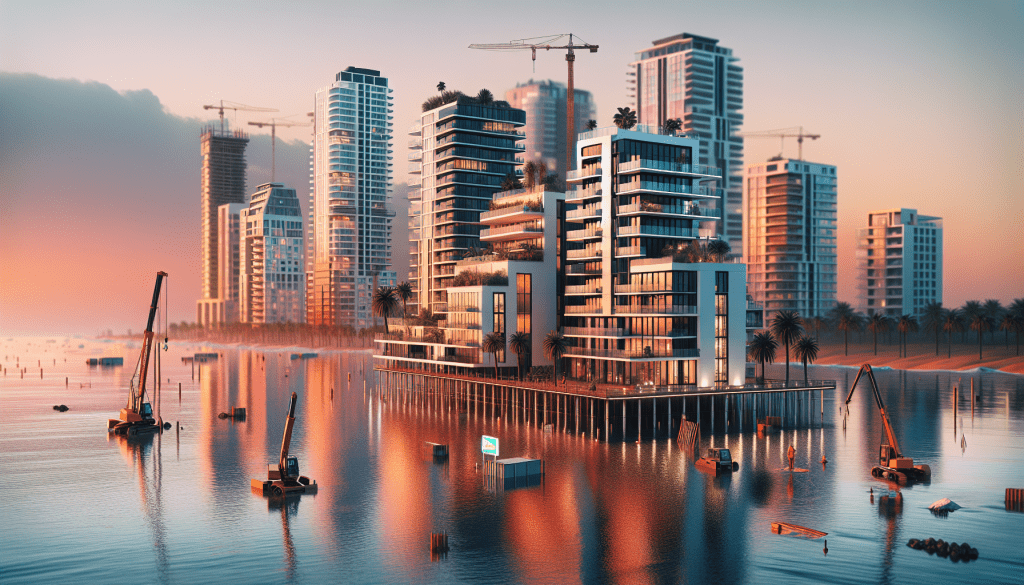
Climate gentrification in Miami
Climate gentrification is fast becoming a reality in Miami; a phenomenon causing an upswing in property prices in areas perceived to be more resilient to climate change. This developing trend presents a double-edged sword for longtime Miami residents who now face increased housing costs while simultaneously being viewed as safe havens from the effects of warming temperatures and rising sea levels.
As scientists predict that sea levels in Miami could rise by 6 feet by 2100, areas located at higher elevations are becoming hotspots for real estate investors, looking to capitalize on homes that are less prone to flooding compared to those properties situated along the coastline. This surge in demand is causing the housing prices in these elevated locations to escalate, underlying the economic imbalance resulting from climate gentrification.
Impacts on longtime residents
The rising housing prices in Miami’s elevated areas have severe repercussions for longtime residents, especially those in lower-income brackets. As property values increase in neighborhoods previously considered affordable, many long-standing inhabitants are getting priced out of their own communities, unable to cope with the increasing rents and property taxes.
Such a shift in the housing market is steering Miami toward a tipping point, with the existing fabric of certain neighborhoods at risk of being torn apart by the adverse effects of climate change and gentrification. In essence, it’s the people who can least afford to adapt who are suffering the most. The issue is a stark reminder of the broader implications of climate change, as it visibly intersects with socio-economic factors.
Looking ahead: Strategies and solutions
Mitigating the impacts of climate gentrification necessitates innovative and strategic thinking. For starters, introducing zoning policies that protect affordable housing could be a step in the right direction. Not only would such policies reduce the displacement of residents, but they would also help maintain the cultural integrity of communities in the line of climate gentrification.
Another approach would be to incentivize climate resilience upgrades for properties located in areas prone to climate change. By providing financial benefits or tax breaks for making a property more resistant to climate impacts, it could potentially alleviate some of the economic pressure driving the shift towards elevated areas.
Supporting financial literacy and adaptation
Lastly, one critical aspect that needs more emphasis is financial literacy and adaptation. Equipping residents, especially those in low-income groups, with the right knowledge and tools to manage their finances in the face of climate gentrification is essential. This can be done through workshops, community outreach initiatives, and financial assistance programs that help residents cope with the growing financial burden arising from these changes.
The intersection of climate change and gentrification in Miami paints a grim picture, but tackling it head-on with strategic, inclusive actions can mitigate its worst impacts. It underlines the necessity for all stakeholders – from individual residents to policymakers – to come together and work towards solutions that sustain communities and the environment in an era of unprecedented climate risks.

William Crowler is a finance writer with a keen eye for the stock market, investment strategies, and personal finance management. At 35 years old, William’s blend of professional experience and academic background, including a Bachelor’s degree in Finance from a reputable university, has equipped him with the insights and knowledge to guide his readers through the complexities of the financial world.
Before transitioning into writing, William worked as a financial analyst for a mid-sized investment firm, where he honed his skills in market analysis and investment portfolio management. This practical experience has been invaluable in his writing career, allowing him to offer actionable advice and predictions that resonate with both seasoned investors and those new to the world of finance.
As a regular contributor to a leading online finance news outlet, William covers a wide range of topics, from emerging market trends to tips for budgeting and saving. His articles are celebrated for their clarity, depth, and relevance, helping readers navigate the often-intimidating realm of finance with confidence.
William is particularly passionate about demystifying the stock market for his audience, breaking down complex financial instruments and strategies into understandable concepts. His series on investment fundamentals and market analysis techniques are reader favorites, praised for their informative and empowering content.
Beyond his written work, William is also a frequent speaker at financial seminars and webinars, where he shares his expertise on financial literacy and investment strategies. His approachable manner and ability to translate financial jargon into plain language have made him a trusted figure in the finance community.
Through his writing and speaking engagements, William aims to inspire a more financially savvy public, equipped with the knowledge to make informed decisions and achieve their financial goals.


