
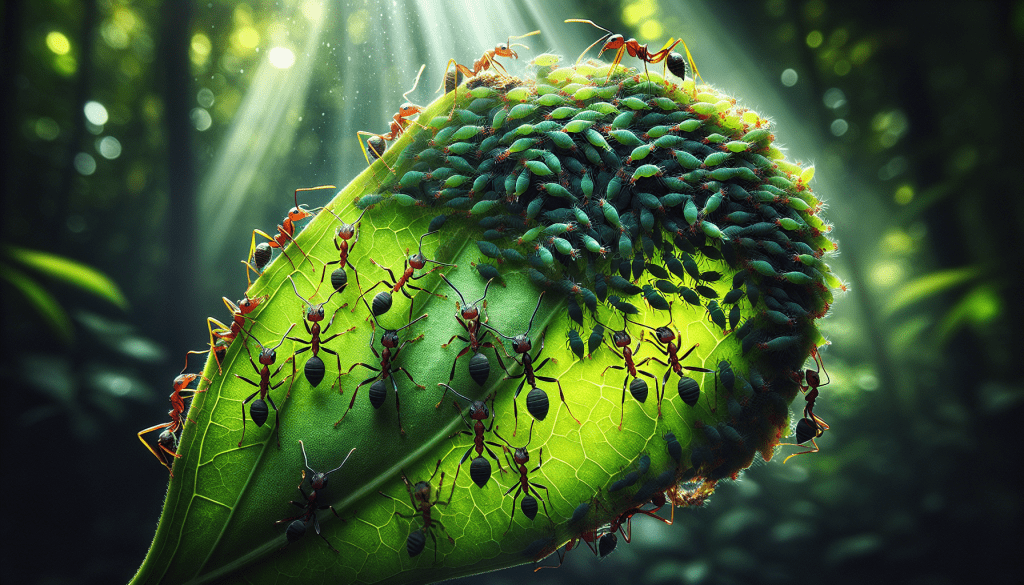
The intriguing symbiotic relationship between ants and aphids
In the meticulously interconnected world of nature, relationships between species often border on fascinating complexity, and the bond shared by ants and aphids is no exception. Also known as plant lice, aphids are small sap-sucking insects that have caught the attention of myrmecologists (ant scientists) and nature enthusiasts alike due to their peculiar interaction with ants.
In a rather intriguing exchange of resources, ants are known to “farm” aphids for a sweet substance known as honeydew. This substance, rich in sugars, is excreted by aphids as a byproduct of their plant sap consumption and is an attractive source of nutrition for ants. In return for the honeydew, ants offer protection to aphids from predators and parasitic wasps, creating a mutualistic relationship that benefits both parties.
The process of ‘ant farming’
Just as humans engage in various agricultural practices, ants exhibit a similar behavioural pattern with aphids. Not only do they diligently guard their aphid “herds”, ensuring the safety of their food source, but they also transport them to prime locations with accessible plant sap. This behaviour is sometimes taken a notch higher, with ants going as far as to disable the wings of adult aphids to inhibit their mobility, thus ensuring a steady, unwavering source of honeydew.
The moral implications of the ant-aphid relationship
While this symbiotic relationship might seem a simple act of nature’s resource exchange, it does raise some thought-provoking ethical questions. Can this interaction be considered exploitative? Where do we draw the line between exploitation and symbiosis in the animal kingdom? Such questions gain particular significance vis-à-vis our understanding of nature and our place in the biosphere.
However, it’s important to note that ant-aphid interactions are not maligned with ill intent or conscious exploitation – after all, we must take care not to anthropomorphize these insects by ascribing human behaviours and motivations to them. Instead, this relationship is a demonstration of how life in the wild is a complex network of interdependencies, with each organism playing a unique role in the ecological balance.
By observing and understanding these complex relationships, we could perhaps gain newer insights into designing sustainable practices and ensure a more harmonious co-existence with our natural surroundings. The humble ant and aphid, in their mutualistic interaction, serve as a stark reminder of this interconnectedness and the need to appreciate and respect these intricate relationships in the natural world.
As beholden as we might be by the sheer survivalism of nature, we must never lose sight of our crucial role in preserving these natural habitats. As exceptional as these symbiotic relationships may be, they also serve as a cautionary tale of how our actions, intentional or otherwise, can disrupt these delicate ecosystems. Hence, it becomes imperative for us to foster a sense of responsibility towards these creatures and the habitats they reside in, and champion the cause of their survival and flourishing.

Sophia Martinez is a dedicated and compassionate animal welfare advocate and writer, who has been enriching the lives of pet owners and animal enthusiasts for over 15 years. At 48 years old, Sophia’s expertise spans a wide range of topics, from pet care and nutrition to wildlife conservation and ethical animal treatment. She holds a Bachelor’s degree in Veterinary Science from Cornell University, which laid the foundation for her deep understanding of animal health and behavior.
Sophia’s career as a writer began after years of working in animal shelters and veterinary clinics, where she discovered her talent for communicating complex animal care concepts in an accessible and engaging manner. Her desire to make a difference in the lives of animals led her to become a prominent contributor to a well-known online news platform, where she now serves as the lead writer for the animal category.
Through her insightful and informative articles, Sophia aims to educate the public on responsible pet ownership, the importance of preserving natural habitats, and the latest advancements in animal health research. Her work not only highlights the joys and challenges of living with animals but also advocates for a more compassionate world where all creatures are respected and valued.
In addition to her writing, Sophia is an active volunteer with several non-profit organizations focused on animal rescue and habitat conservation. She often shares her personal experiences with fostering animals and participating in wildlife rehabilitation programs, further inspiring her readers to get involved in animal welfare causes.
Sophia’s passion for animals and her commitment to advocacy shine through in every piece she writes, making her a trusted and beloved figure among animal lovers worldwide.


