
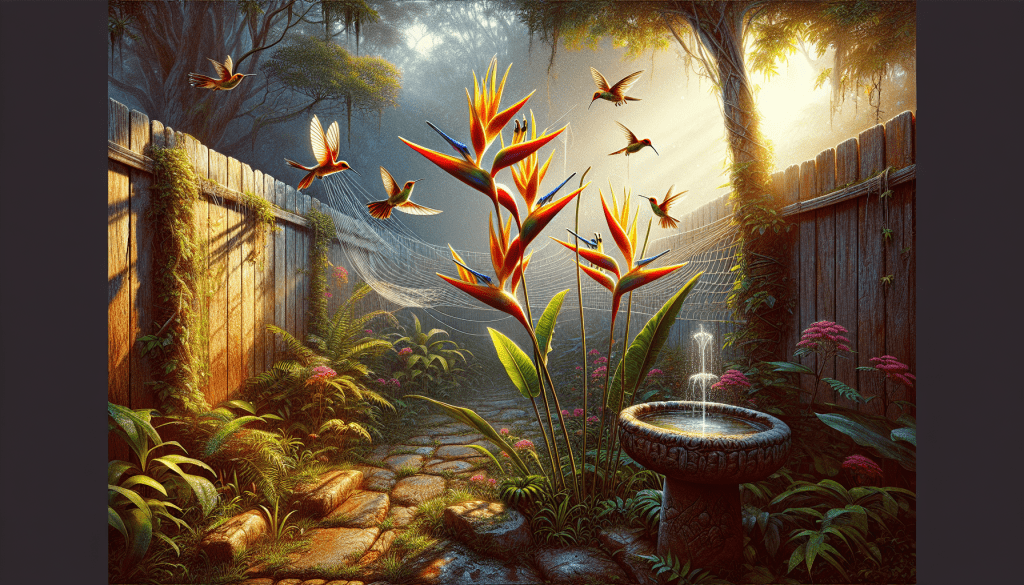
As any garden enthusiast knows, designing and caring for a garden isn’t merely about cultivating beautiful flowers and plants. It’s an opportunity to create an inviting habitat for a variety of insects, birds, and butterflies. One wonderful bird that’s always a delight to see in any garden is the hummingbird. These fast-flapping, nimble creatures buzz around from one flowering plant to the other, extracting nectar with their slender beaks—truly a sight to behold.
A tropical touch with the Heliconia
The Heliconia, also known as the Lobster Claw plant, is a tropical species native to the Americas that is known for its stunning, claw-like flowers that bloom in vibrant shades of yellow, red, orange, and pink. With their large, glossy leaves and exotic shape, these plants are not just ornamental additions to your garden, they’re veritable hummingbird magnets.
Why do hummingbirds love the Heliconia?
The reason behind hummingbirds’ attraction to the Heliconia lies in its biology. These plants have co-evolved with hummingbirds over millennia which explains their tubular, brightly-colored flowers perfect for the birds’ specialized beaks. The flowers also produce copious amounts of nectar, providing a rich food source that keeps the birds returning.
Going beyond beauty: promoting ecological well-being
Although the Heliconia’s vibrant blooms inevitably catch the eye, its value goes beyond its aesthetic appeal. Introducing a species like the Heliconia to your garden plays a significant role in contributing to the local ecosystem. It’s a wonderful example of how we can make gardening decisions that benefit not just us, but also the wildlife with whom we share our surroundings.
Creating a haven for hummingbirds
By planting the Heliconia, you’re creating a small sanctuary for hummingbirds, providing them with a source of nutrition and aiding in their survival. This contributes to the overall biodiversity of your garden and the wider ecological network. It’s truly an experience that combines the joy of garden work with making a tangible, positive impact on the environment.
Remember, maintaining a hummingbird-friendly garden doesn’t stop with planting Heliconia. It’s important to avoid using chemical pesticides, which can be harmful to these small birds, and instead opt for organic and eco-friendly pest control methods.
In the world of gardening, there are countless paths to explore and endless flowers to discover. The Heliconia, with its tropical charm, is just one of many ways to enhance your garden while promoting the wellbeing of the local wildlife. So as you navigate through your gardening journey, let your decisions be guided not just by beauty, but also by sustainability and respect for the natural world. Let’s remember that we are not just gardeners, but also stewards of the earth, turning our gardens into habitats that nurture biodiversity.

Emma Johnson is a passionate and insightful writer specializing in the house and garden niche, bringing over a decade of experience to her readers. At the youthful age of 34, Emma has already established herself as a leading voice in home improvement, landscaping, and interior design. Her journey began with a degree in Landscape Architecture from the University of Georgia, followed by years of hands-on experience working with renowned landscaping firms across the country.
Emma’s writing career took off when she started sharing her unique ideas and eco-friendly gardening tips on her personal blog. Her ability to blend practical advice with aesthetic design quickly garnered attention, leading to her current position as a featured columnist for a prominent online news site.
Dedicated to sustainable living and innovative design, Emma’s articles offer a wealth of knowledge, from DIY home projects to the latest trends in garden technology. Her work not only enlightens homeowners looking to enhance their living spaces but also inspires a deeper appreciation for the environment.
When she’s not writing or experimenting in her own garden, Emma enjoys mentoring young designers and participating in community beautification projects. Her contributions extend beyond her written work, embodying her commitment to making the world a more beautiful and sustainable place, one home at a time.


