
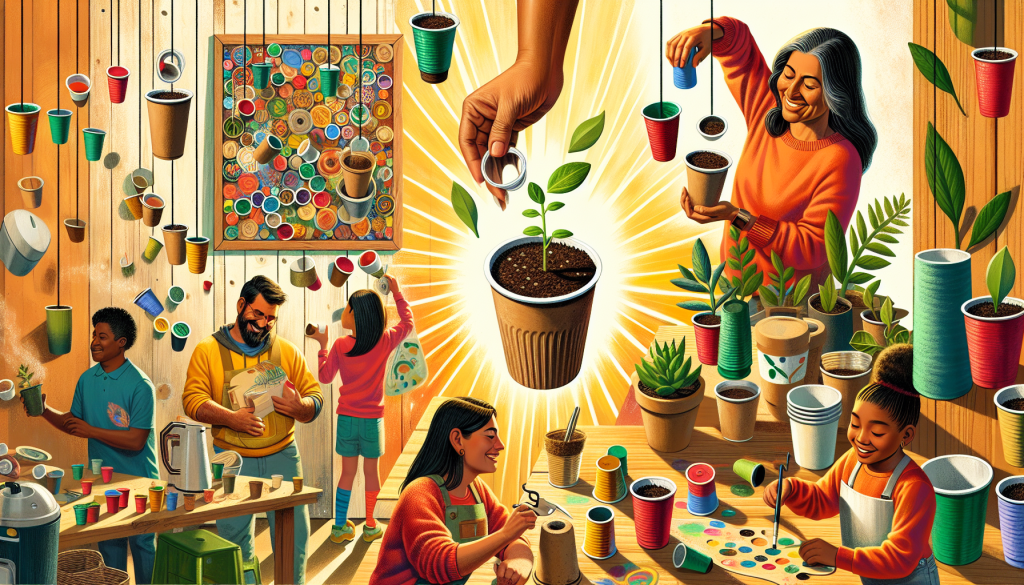
As a landscape architect, I’ve always been fascinated by the outstanding potential of regular household items, and today, I’d like to share some innovative and environmentally friendly ways to repurpose used K-Cups. Once you’ve enjoyed your morning cup of coffee, those little pods may seem like just another piece of trash, but with a little imagination, they can become something fresh, useful, and fun.
Breathing new life into K-Cups with gardening
There’s no denying that gardening plays a significant role in creating a sustainable, vibrant lifestyle. So why not merge this with our love for coffee? One effective and eco-friendly way to utilize used K-Cups is by transforming them into seed starters.
Punch a few drainage holes in the bottom, fill the cups with soil, then plant your seeds and nurture them with plenty of water and sunlight. Once the seedlings are ready, the entire pod can be planted directly in the ground, reducing waste and providing a nourishing start for your plants. What’s more satisfying than greeting the sunrise with a cup of coffee and then using the very same pod to bring a new plant to life?
Taking creativity further with DIY projects
Transforming K-Cups into useful household items or decorative pieces is another exciting way to put them to good use. One of my favorite projects is crafting custom DIY holiday ornaments.
Wire and paint can turn a mundane coffee pod into an artistic, personalized decoration for any season. With metallic paint, K-Cups can be transformed into fancy bells for the Christmas tree. Or, with a little orange paint and craft materials, you can create adorable pumpkin decorations for Halloween.
Besides, K-cups can be used to form inexpensive, easy-to-make storage solutions for tiny items, like beads, buttons, paperclips, or mini sewing kits. With their unique shape and customizable colors, they could add a pop of creativity to your workspace or crafting corner.
Community involvement
Creating a project from repurposed K-Cups is a fantastic opportunity to engage your local community and offer mutually beneficial inspiration. Whether it’s organizing a gardening day or a crafting workshop, using repurposed K-Cups encourages others to unleash their creativity and contribute positively to our environment.
Innovation and sustainability are not just buzzwords. They’re conscious lifestyle choices that start small and make significant differences in the long run. By reusing these coffee pods, we’re taking one more step toward a cleaner, greener Earth while enjoying the delightful outcomes of our creativity. And remember, every change begins with a single step. Or, perhaps, with a single K-Cup.
Before leaving your cup on the counter, think of it as a valuable resource waiting to be repurposed. Whether it morphs into a tiny greenhouse, a holiday ornament, or a storage cup, your K-Cup can find a new purpose. By finding new uses for everyday items, we are setting the foundations for a sustainable, inspiring living environment. So, next time you brew your morning coffee, think twice. The journey of your K-Cup doesn’t have to end in the trash.

Emma Johnson is a passionate and insightful writer specializing in the house and garden niche, bringing over a decade of experience to her readers. At the youthful age of 34, Emma has already established herself as a leading voice in home improvement, landscaping, and interior design. Her journey began with a degree in Landscape Architecture from the University of Georgia, followed by years of hands-on experience working with renowned landscaping firms across the country.
Emma’s writing career took off when she started sharing her unique ideas and eco-friendly gardening tips on her personal blog. Her ability to blend practical advice with aesthetic design quickly garnered attention, leading to her current position as a featured columnist for a prominent online news site.
Dedicated to sustainable living and innovative design, Emma’s articles offer a wealth of knowledge, from DIY home projects to the latest trends in garden technology. Her work not only enlightens homeowners looking to enhance their living spaces but also inspires a deeper appreciation for the environment.
When she’s not writing or experimenting in her own garden, Emma enjoys mentoring young designers and participating in community beautification projects. Her contributions extend beyond her written work, embodying her commitment to making the world a more beautiful and sustainable place, one home at a time.


