
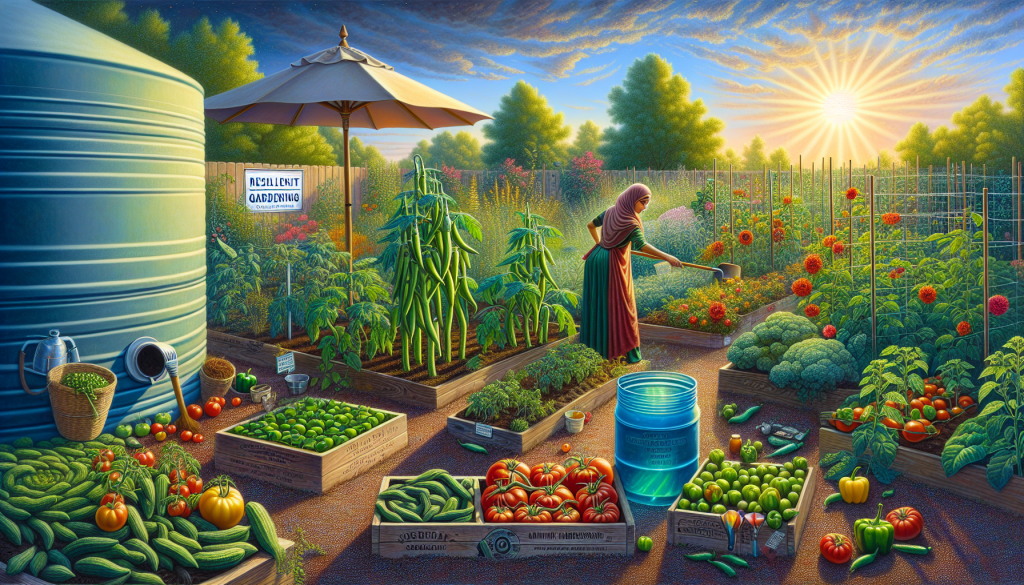
When planning a garden, a critical factor often overlooked is the plant’s water requirement. As water becomes an increasingly limited resource, growing drought-tolerant vegetables has become ever more crucial. Not only does this practice support sustainability, it also brings resilience to your garden and the wider environment. Here, we delve into some drought-tolerant vegetables that you can easily incorporate into your garden.
The virtue of growing drought-tolerant vegetables
Ditching the moisture-hungry plants for their drought-tolerant counterparts does not mean compromising on variety or flavor. There is an array of drought-resistant vegetables out there, each boasting unique properties and tastes. The benefits go beyond saving water — these vegetables demand less maintenance, possess high resilience against erratic weather, and generally have an extended growing season.
A selection of ideal drought-resistant vegetables
Diverse types of vegetables can withstand drought, some of which are well-known favorites, while others may surprise you with their resilience.
Beans
Beans are an excellent choice as they adapt to dry conditions splendidly. They have deep roots that allow them to reach water resources buried in the soil. Their beautiful flowers attract pollinators, adding enrichment to your ecosystem.
Corn
Corn is another drought-tolerant crop. It has developed shallow, but efficient, root systems through natural selection which allow it to absorb soil moisture and survive in arid conditions.
Squash
Squash plants, particularly summer varieties like zucchini, are robust enough to thrive without regular watering. These hardy plants draw moisture through their extensive root systems, specifically built to store and utilize water effectively.
Chili peppers
Requiring less water than sweet peppers, chili peppers have evolved to accommodate dry climates. They offer spice to your food and vibrant color to your garden, all whilst conserving water resources.
Artichokes
Artichokes often surprise gardeners with their drought tolerance. Contrary to their delicate appearance, they grow well in varying conditions and can survive in arid areas with infrequent watering.
Beyond these, other vegetables such as tomatoes, arugula, okra, and certain root crops are resilient against drought. They require a deep and careful watering regimen during early growth stages, but can weather dry conditions once established.
So, the next time you’re planning your garden, consider incorporating these drought-tolerant varieties. Not only will you ease the pressure on your area’s water resources, but you’ll also enrich the biodiversity in your own garden. And remember, even as these vegetables require less water, they still need appropriate care and attention. An efficiently watered garden is a thriving garden.
Incorporating innovative gardening technologies
Modern technology has made it easier than ever to maintain a drought-tolerant garden. Using micro-irrigation systems, rain barrels, and other water-saving devices can significantly reduce water usage. Advanced garden planning apps can assist you in placing your crops appropriately for optimal water conservation. These technologies not only streamline your gardening process but also represent a significant step towards a sustainable gardening approach.
Furthermore, technology can aid in community-led gardening initiatives, inspiring change on a collective level. Through these initiatives, entire neighbourhoods can reduce water consumption and promote sustainability. Attractive, drought-resistant community gardens can also serve as a powerful example, educating and inspiring others to adopt sustainable gardening practices.
Imagine the positive change we could bring if each of us integrated even a few drought-tolerant vegetables into our home gardens or community plots. By investing time in learning about these resilient plants and the modern tools that can support their growth, we can contribute to a more sustainable future.

Emma Johnson is a passionate and insightful writer specializing in the house and garden niche, bringing over a decade of experience to her readers. At the youthful age of 34, Emma has already established herself as a leading voice in home improvement, landscaping, and interior design. Her journey began with a degree in Landscape Architecture from the University of Georgia, followed by years of hands-on experience working with renowned landscaping firms across the country.
Emma’s writing career took off when she started sharing her unique ideas and eco-friendly gardening tips on her personal blog. Her ability to blend practical advice with aesthetic design quickly garnered attention, leading to her current position as a featured columnist for a prominent online news site.
Dedicated to sustainable living and innovative design, Emma’s articles offer a wealth of knowledge, from DIY home projects to the latest trends in garden technology. Her work not only enlightens homeowners looking to enhance their living spaces but also inspires a deeper appreciation for the environment.
When she’s not writing or experimenting in her own garden, Emma enjoys mentoring young designers and participating in community beautification projects. Her contributions extend beyond her written work, embodying her commitment to making the world a more beautiful and sustainable place, one home at a time.


