
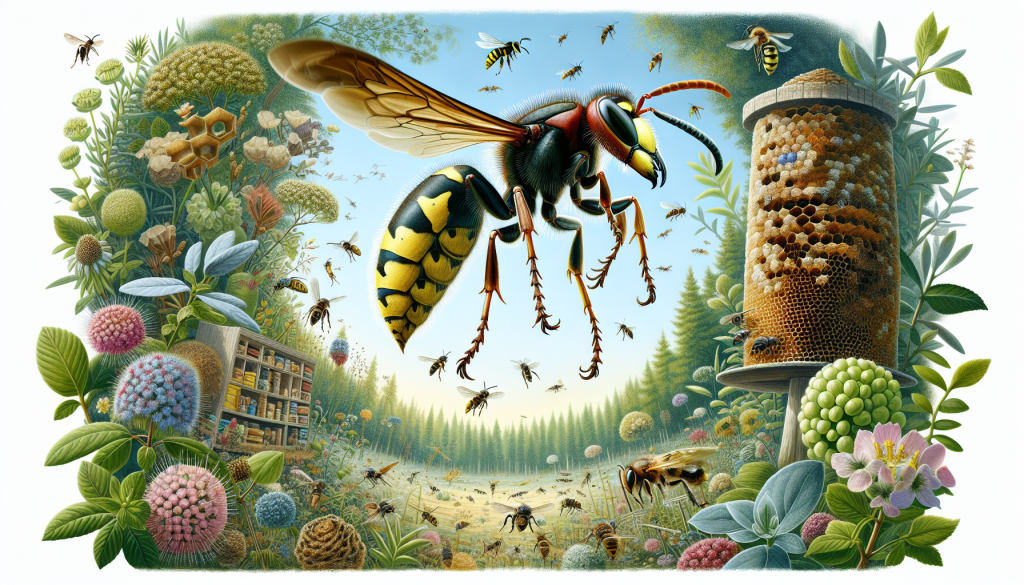
Facts you need to know about the Asian hornet
The Asian hornet, recognized scientifically as Vespa velutina, is a species native to Southeast Asia. However, it is now widespread across Europe, including France. This species, with its dark body and yellow-tipped feet, has been wrongly marked as relentlessly aggressive, although it only resorts to attack when it perceives severe threats to its nest or ourselves. To quell growing anxieties, it is equally important to remember that the venom of the Asian hornet is no more potent than that of any local species.
Why are Asian hornets perceived as dangerous?
The main hazard that Asian hornets present is to the ecosystem rather than personal human safety. It is their predatory behavior on honeybees that makes them concerning for the environment. Indeed, Asian hornets are responsible for significant honeybee colony losses, which, in turn, impacts our ecosystems since honeybees are key pollinators.
Pertinent steps for the control of the Asian hornet in Europe
In a bid to control the invasion of the Asian hornet, several European countries, such as France, have implemented dedicated measures. Citizens are encouraged to be vigilant in spotting Asian hornet nests, which are primarily created in high places like treetops or high buildings and report them to their local authorities. Contrary to some popular belief, it is crucial not to attempt to destroy these nests on your own as it could prompt these hornets to start a fresh colony elsewhere, thereby inadvertently spreading the problem.
Conservation outlook
While the Asian hornet invasion is a cause for concern, we should not overlook that it is a part of biodiversity. Its presence in Europe is a result of the globalized world and it will indeed be challenging to completely eradicate it. As such, responsible management is the key to limiting its impact on local ecosystems, whilst also ensuring the protection of other species.
Asian hornets, like myriad other species, deserve a place in our world. Their story serves as a potent reminder of the delicate balance of nature and the need for knowledge, respect, and understanding in the way we approach and handle all animals, insects or otherwise. We must recognize our role in the ecosystem, and work cooperatively and compassionately to mitigate any disruptions we might cause. Our aim should be toward peacefully co-existing and safeguarding the environment as a whole.

Sophia Martinez is a dedicated and compassionate animal welfare advocate and writer, who has been enriching the lives of pet owners and animal enthusiasts for over 15 years. At 48 years old, Sophia’s expertise spans a wide range of topics, from pet care and nutrition to wildlife conservation and ethical animal treatment. She holds a Bachelor’s degree in Veterinary Science from Cornell University, which laid the foundation for her deep understanding of animal health and behavior.
Sophia’s career as a writer began after years of working in animal shelters and veterinary clinics, where she discovered her talent for communicating complex animal care concepts in an accessible and engaging manner. Her desire to make a difference in the lives of animals led her to become a prominent contributor to a well-known online news platform, where she now serves as the lead writer for the animal category.
Through her insightful and informative articles, Sophia aims to educate the public on responsible pet ownership, the importance of preserving natural habitats, and the latest advancements in animal health research. Her work not only highlights the joys and challenges of living with animals but also advocates for a more compassionate world where all creatures are respected and valued.
In addition to her writing, Sophia is an active volunteer with several non-profit organizations focused on animal rescue and habitat conservation. She often shares her personal experiences with fostering animals and participating in wildlife rehabilitation programs, further inspiring her readers to get involved in animal welfare causes.
Sophia’s passion for animals and her commitment to advocacy shine through in every piece she writes, making her a trusted and beloved figure among animal lovers worldwide.


