
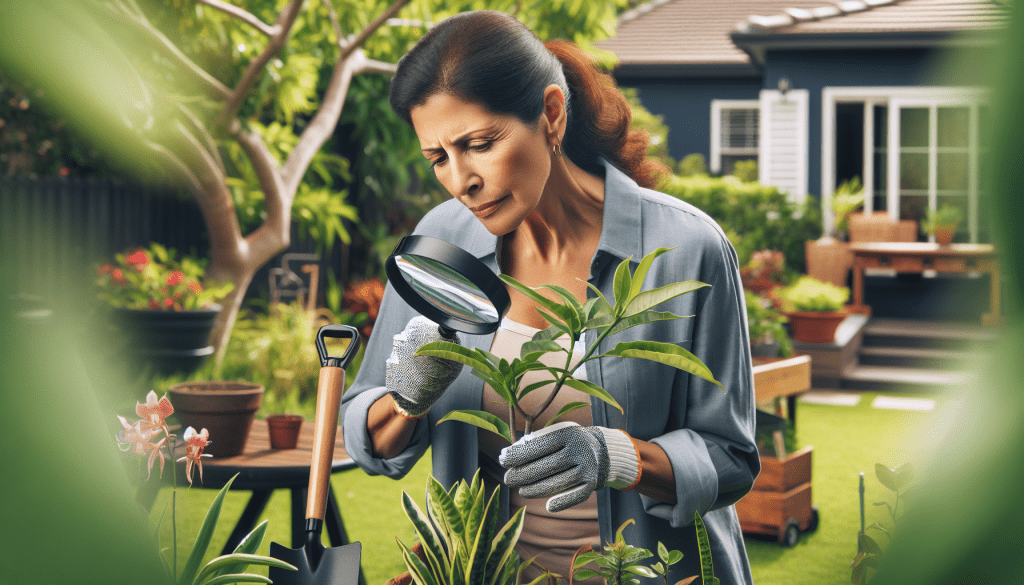
Dealing with invasive plants and weeds on a large property is a daunting task, and one that requires both patience and dedication. These unwanted guests can quickly take over your landscape if not managed properly, and prove a threat to the natural ecosystem. Thankfully, with some knowledge and the right techniques, it is possible to regain control over your property and ensure that the native flora can flourish once more.
The biology behind invasive plants
Invasive plants are species that have been introduced to an area where they do not naturally occur. They have the ability to thrive in this new environment, outcompeting native species for resources and reproducing rapidly. Understanding their biology can give you an edge in dealing with them effectively.
Techniques for removing invasive plants
There are multiple methods available for tackling these persistent invaders, each with their own strengths and weaknesses. The method you choose will depend on the particular circumstances of your property, as well as the specific species that you are dealing with.
Mechanical control
Mechanical control involves physically removing the problematic plants from your property. This technique includes simple hand-pulling for smaller infestations, but can also involve the use of machinery for large areas that have been heavily invaded. The most effective time to utilize this method is before the plants have set seed, to restrict future growth.
Chemical control
Chemical control involves using herbicides to kill the invasive plants. This technique is very effective, but it should be used sparingly due to the potential harm it can cause to non-target species and the wider environment. It is also important to research the best time of year to apply the chemicals for maximum efficiency.
Biological control
Biological control is an eco-friendly method of managing invasive plants. It involves introducing natural enemies, like certain insects or pathogens, to reduce the population of invasive plants. This process requires careful planning and research to ensure it does not disturb the existing ecosystem balance.
Preventing future invasions
Preventing the re-invasion of your property is just as important as removing the invasive species in the first place. This involves monitoring your land regularly, and addressing any new invasions in a prompt and effective manner. Creating a landscape that encourages the growth of native plants can also deter certain invasive species from taking hold.
Removing invasive plants is not an overnight task, but rather a long-term commitment. Remember, patience and perseverance are key when dealing with these stubborn nuisances — but rest assured, your efforts will pay off in maintaining the health and beauty of your property, and in contributing to the overall well-being of the environment. By implementing these techniques, we can all do our part to stem the tide of invasive species, and ensure the future of our native flora.

Emma Johnson is a passionate and insightful writer specializing in the house and garden niche, bringing over a decade of experience to her readers. At the youthful age of 34, Emma has already established herself as a leading voice in home improvement, landscaping, and interior design. Her journey began with a degree in Landscape Architecture from the University of Georgia, followed by years of hands-on experience working with renowned landscaping firms across the country.
Emma’s writing career took off when she started sharing her unique ideas and eco-friendly gardening tips on her personal blog. Her ability to blend practical advice with aesthetic design quickly garnered attention, leading to her current position as a featured columnist for a prominent online news site.
Dedicated to sustainable living and innovative design, Emma’s articles offer a wealth of knowledge, from DIY home projects to the latest trends in garden technology. Her work not only enlightens homeowners looking to enhance their living spaces but also inspires a deeper appreciation for the environment.
When she’s not writing or experimenting in her own garden, Emma enjoys mentoring young designers and participating in community beautification projects. Her contributions extend beyond her written work, embodying her commitment to making the world a more beautiful and sustainable place, one home at a time.


